Modern Homes Forecast 2026
Introduction
Welcome to the James Hardie Modern Homes Forecast 2026—our third annual research report created to inspire homeowners and trade professionals with the latest modern home design styles.
The James Hardie Modern Homes Forecast 2026 is our most future-focused report to date. Developed in partnership with global trend forecasting company, WGSN, it translates global design signals and local consumer data to deliver a forward-looking perspective on residential housing in Australia.
Scroll to read more, or download the full Forecast.

The James Hardie Modern Homes Forecast 2026 is our most future-focused report to date. Developed in partnership with global trend forecasting company, WGSN, it translates global design signals and local consumer data to deliver a forward-looking perspective on residential housing in Australia.
Scroll to read more, or download the full Forecast.
New global and local forces are driving significant long-term change, shaping how housing design is evolving across Australia in 2026.

Society
After years of hyper-individualism, people are returning to community. Diverse identities and shared living needs are reshaping the future home; one that must serve more people, more often, in more ways. Where we once focused on the individual through self-optimisation, self-branding and self-expression, there’s now a growing recognition that community is central to identity, belonging and resilience.
Technology
With AI now embedded in daily life, people are seeking technology that enhances rather than dominates the home experience. As 59.9% of global consumers question the authenticity of online content, there’s a growing desire for empathetic, intuitive and trustworthy smart solutions. This signals a shift toward technology that supports, rather than replaces, the human experience.
Environmental
As more people recognise that planetary health and personal wellbeing are deeply connected, design for both is becoming a central priority. The effects of climate change, from bushfires to flooding and extreme weather, are no longer distant threats but rather lived realities, with the World Economic Forum (2024) projecting more than 14.5 million global deaths from climate-related causes by 2050. Climate-readiness is an important factor to protecting wellbeing.
Politics
Housing access is under pressure, reshaping how fairness, equity and agency are defined in the future home. Across Australia, affordability is a growing political fault line, particularly among younger generations, as consumers demand more control over where and how they live. Yet government goals are falling short: Australia is projected to miss its target of 1.2 million new homes by mid-2029 by around 257,000 dwellings.
Industry
Rising costs are reshaping demand for homes that deliver more value—smarter, more efficient and flexible. Consumers are moving away from excess, with value now defined by what lasts and what adapts. Flexible, high-quality design, not size, is becoming the new benchmark for modern living.
Creativity
Emotional uplift is being sought not as a remedy for economic or environmental pressures, but as a way to maintain optimism, agency and psychological resilience amid them. Homes that support creativity, play and personal expression are increasingly valued for the way they contribute to balance and everyday inspiration. This broader cultural shift is also evident in consumer attitudes to brands: globally, 49% of consumers prefer brands that bring a sense of joy.
Discover how shifting industry realities and consumer expectations are redefining what’s possible in modern housing.
Download the full ForecastThe research has identified 4 new lifestyle themes influencing needs, pressures and aspirations

Creative living
Creativity is emerging as a powerful tool for personal agency, not just aesthetics. Homes are evolving into expressive sanctuaries: spaces where joy, play and imagination foster wellbeing and resilience.

Evolved living
In the face of rising cost-of-living and environmental pressures, the future homeowner is becoming more intentional; prioritising not more, but better-designed spaces that balance intelligence, comfort and self-reliance Australians are redefining value through agility, sustainability and comfort rather than scale.

Multigenerational living
As affordability challenges grow and family structures evolve, homes must support co-existence across generations through flexible zoning, inclusive design and adaptable spaces that balance privacy with connection.

Autonomous living
In an era defined by climate volatility and economic uncertainty, homeowners are seeking independence, comfort and calm through self-sufficient, automated and low-maintenance design that restores balance and wellbeing.
With AI already reshaping how we design and construct homes, intelligent systems must balance efficiency with empathy, ensuring that technology enhances human life without overpowering..
Be inspired by 8 popular, enduring and emerging modern home styles reimagined for 2026.


Meet your team of experts
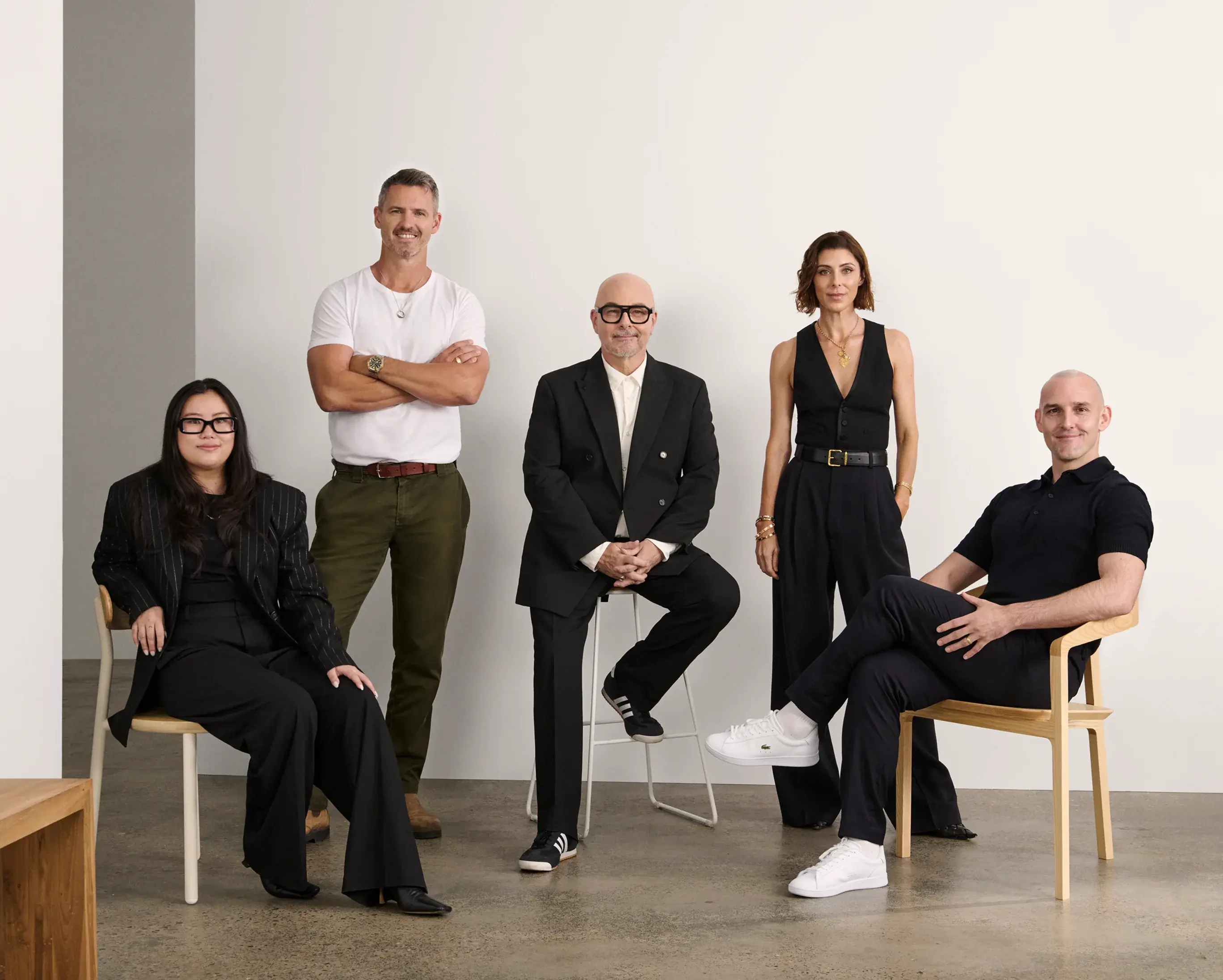
From left to right: Jenny Li, Matt Leacy, Neale Whitaker, Rebecca Caratti, Justin Logan
Meet your team of experts
Guided by leading experts in architecture, design, lifestyle and global trend forecasting, this handbook draws on deep experience and distinct perspectives in creating homes that are thoughtful, relevant and future-focused.
From left to right: Jenny Li, Matt Leacy, Neale Whitaker, Rebecca Caratti, Justin Logan
What’s your home style?
Take the Hardie™ Style Quiz to find your perfect modern home style.
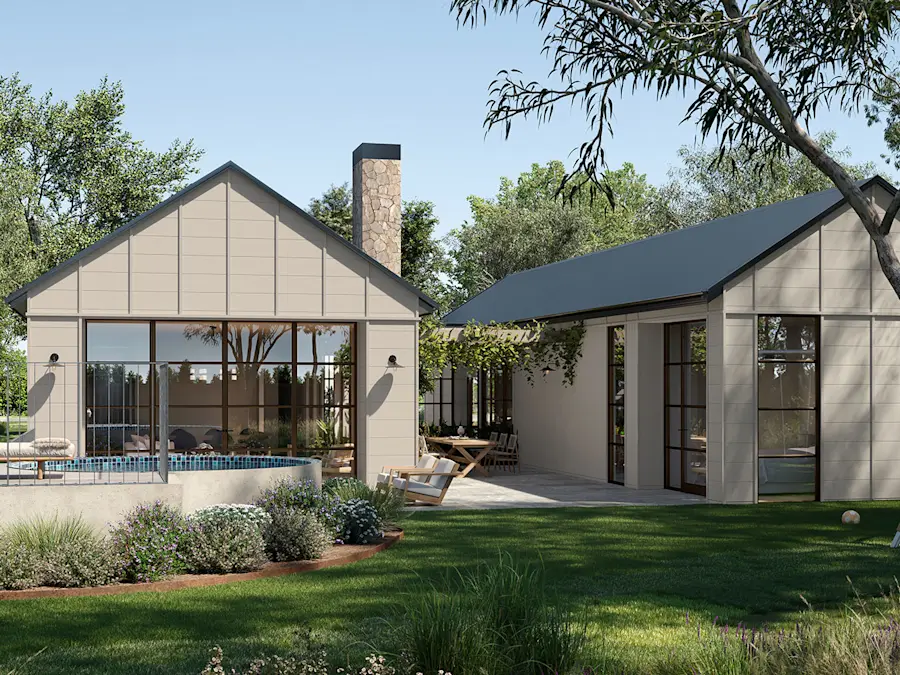
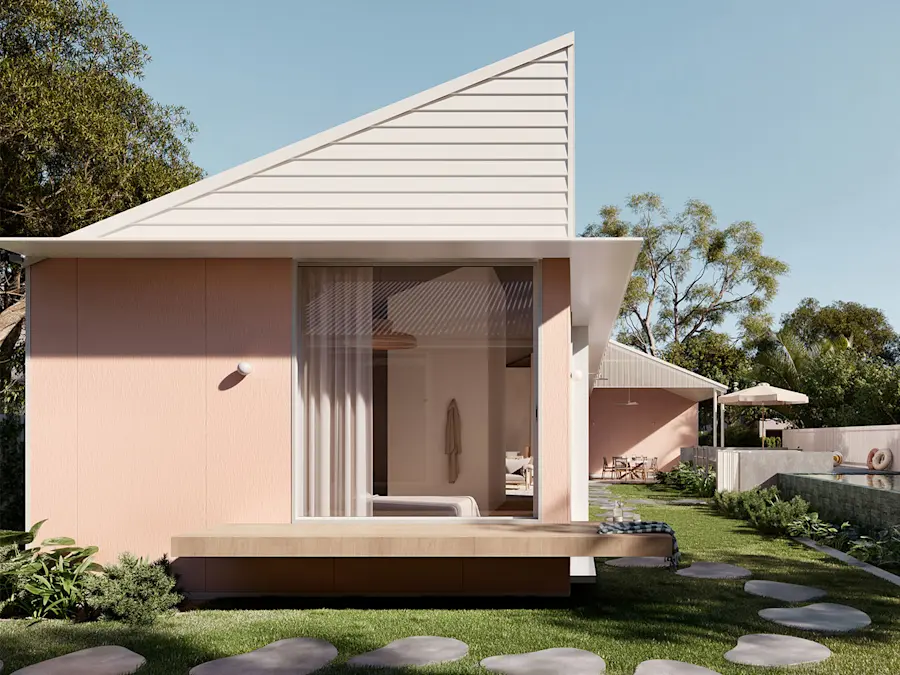
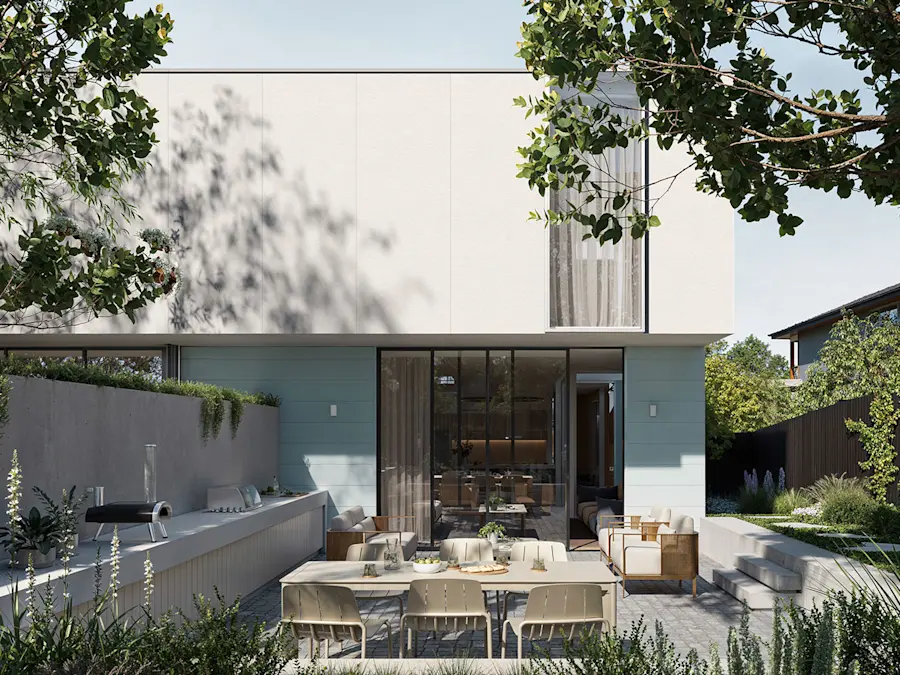
Want more design inspiration?
Download the full Modern Homes Forecast for a more in depth look at design themes and trends, or to find inspiration for your own dream home style.
Download the full Forecast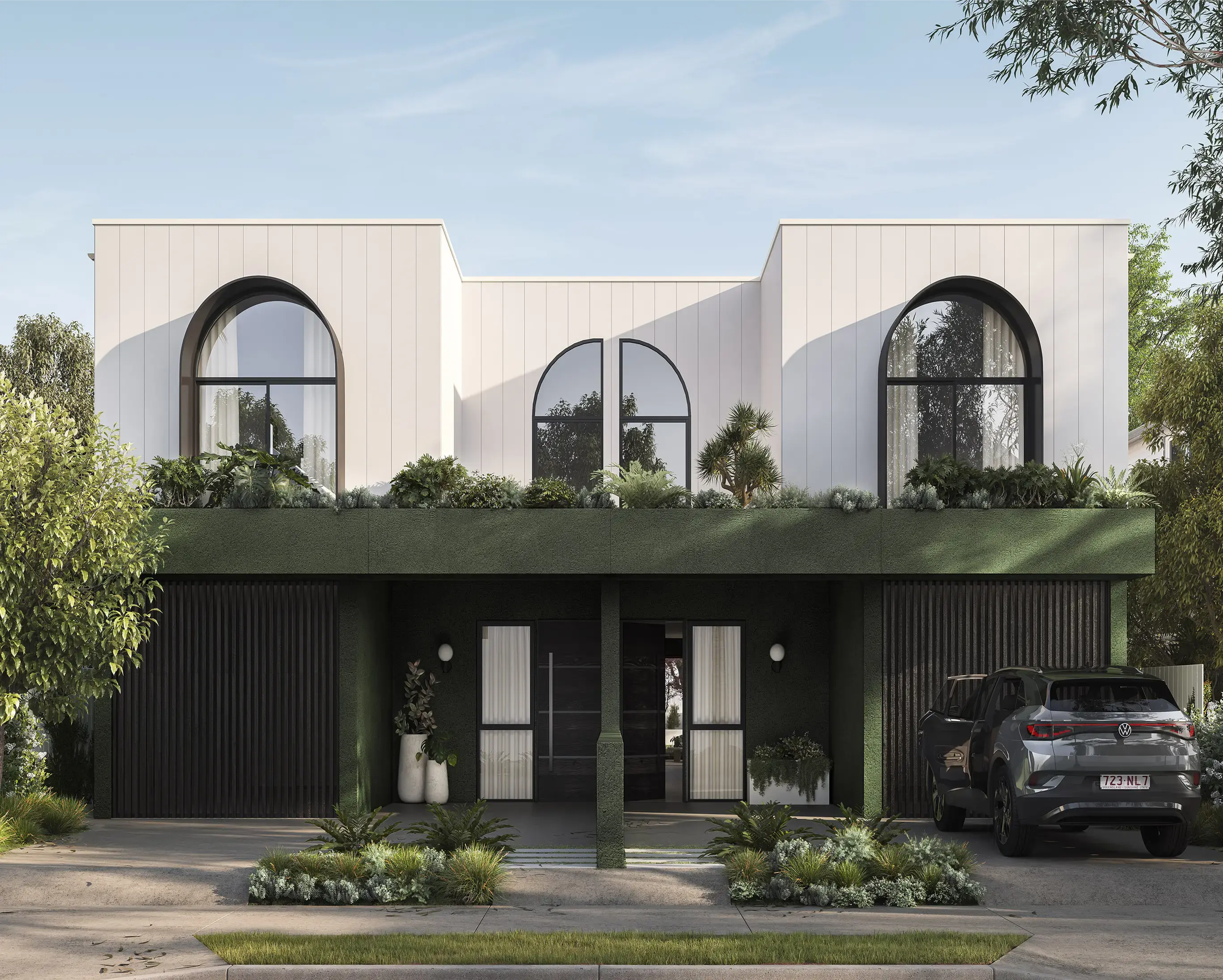
Build modern mixed-material homes with one trusted brand.