Products


Inspiration

Designing a home that’s comfortable year-round is about more than just style – it’s also about making smart choices that work with your local climate. A thermally efficient home reduces unwanted heat gain and loss, thereby cutting down on the need for artificial heating and cooling. The result? Lower energy bills. Using the right materials and design strategies for your climate can make all the difference.
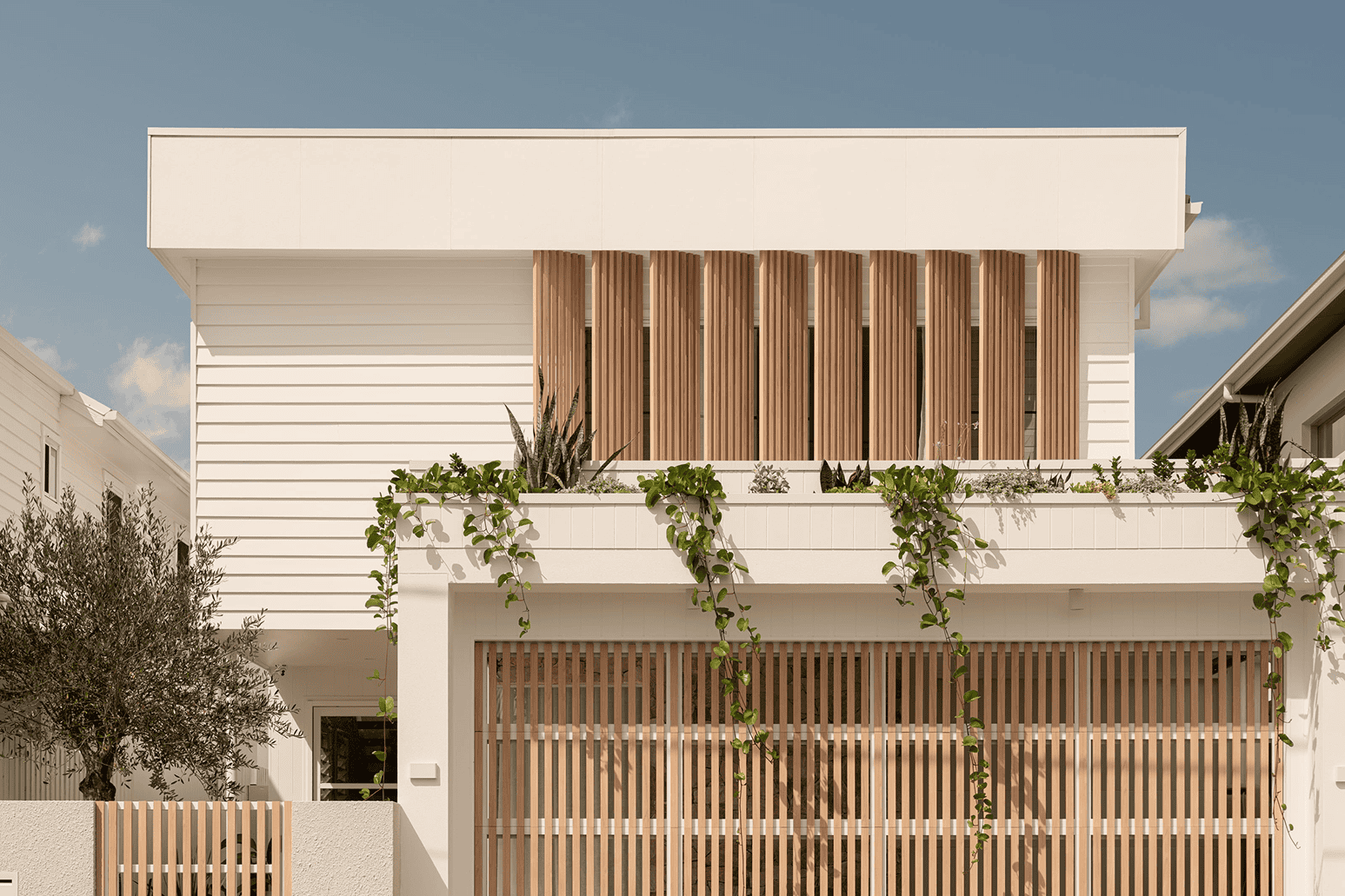
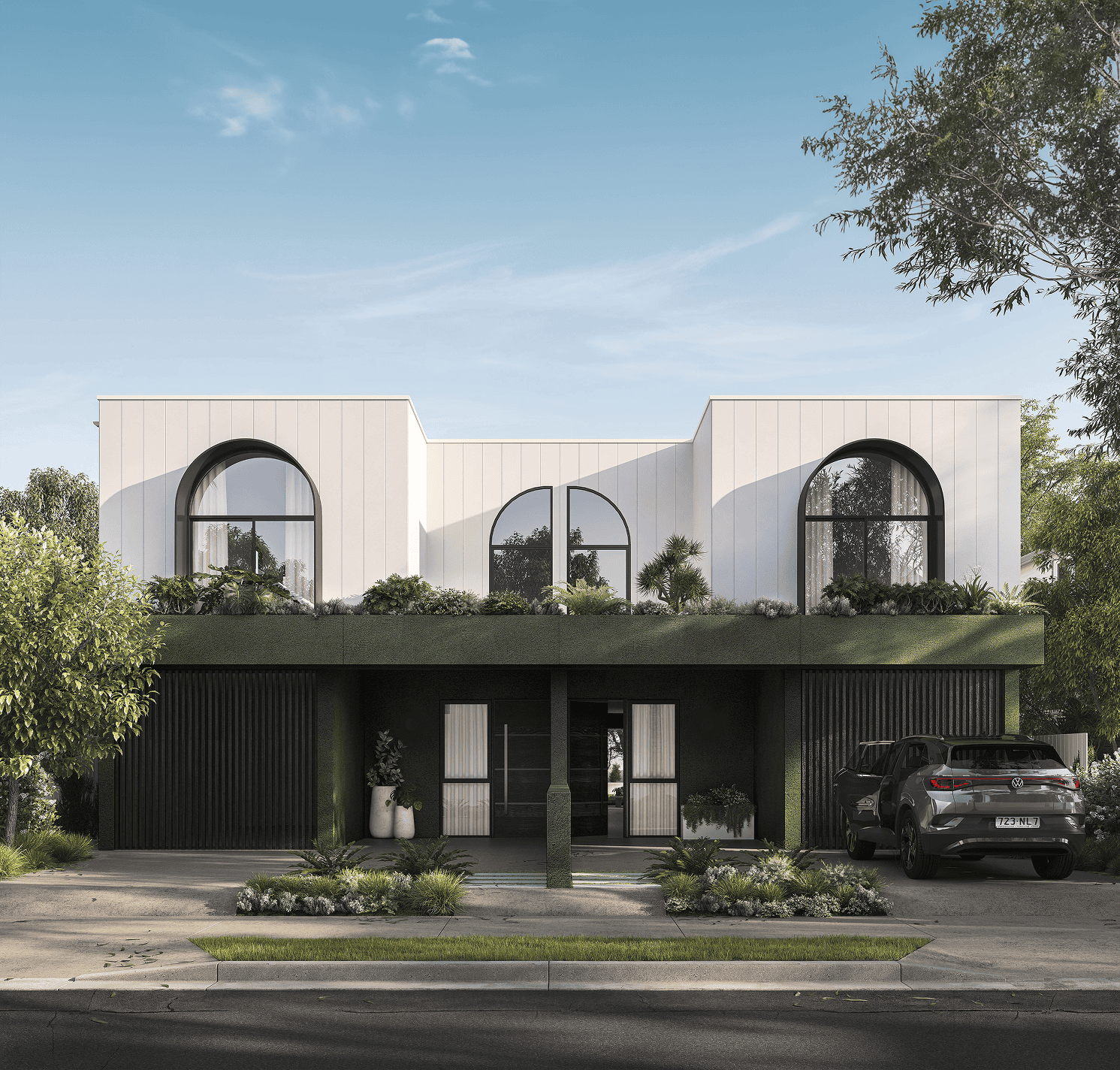
Products like Linea™ Weatherboard, Stria™ Cladding Fine Texture and Hardie™ Brushed Concrete Cladding are versatile options that can be incorporated into energy-efficient designs across Australia. Here’s how that looks in three very different cities.
In Sydney, the goal is to get protection from the summer heat while also capturing winter warmth. According to our Energy Efficiency Guide, homes in warm temperate zones benefit from north-facing living areas, generous eaves and high-performance insulation in walls and roofs.

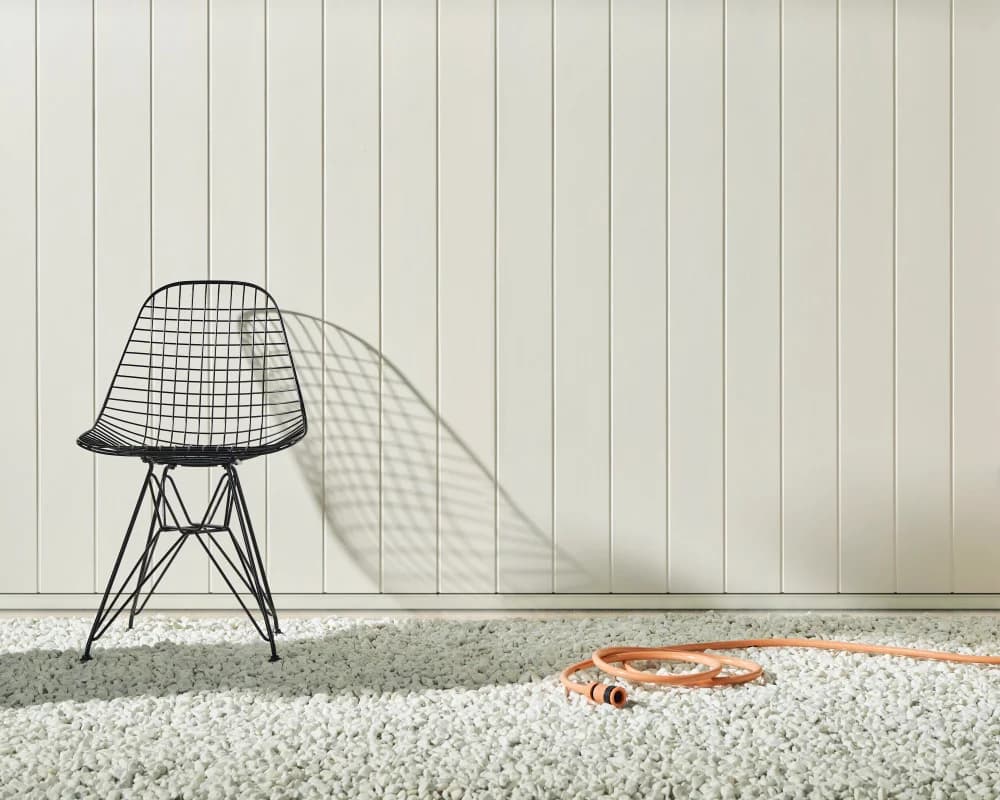
Wall systems should combine thermal mass internally with lightweight, well-insulated external cladding to moderate temperature swings. Stria™ Cladding Fine Texture is ideal here – the thick board featuring a sharp V-groove creates a timeless aesthetic while giving you a low-maintenance – and long-lasting – exterior. Pairing it with a ventilated cavity can help manage moisture and improve thermal performance.

Shading devices like adjustable awnings or pergolas, or natural shading from deciduous trees can block the high summer sun while allowing winter sunlight to penetrate. The importance of cross-ventilation also can’t be overstated – strategically placed windows encourage breezes to flow through the home.
Combining these passive design principles with the right materials can help Sydney homeowners enjoy a home that feels naturally comfortable while keeping their energy use in check.

Brisbane’s subtropical climate means the top priority is to maximise airflow and minimise heat retention. Our Energy Efficiency Guide recommends lightweight construction and materials with low thermal mass for external walls to avoid trapping heat.

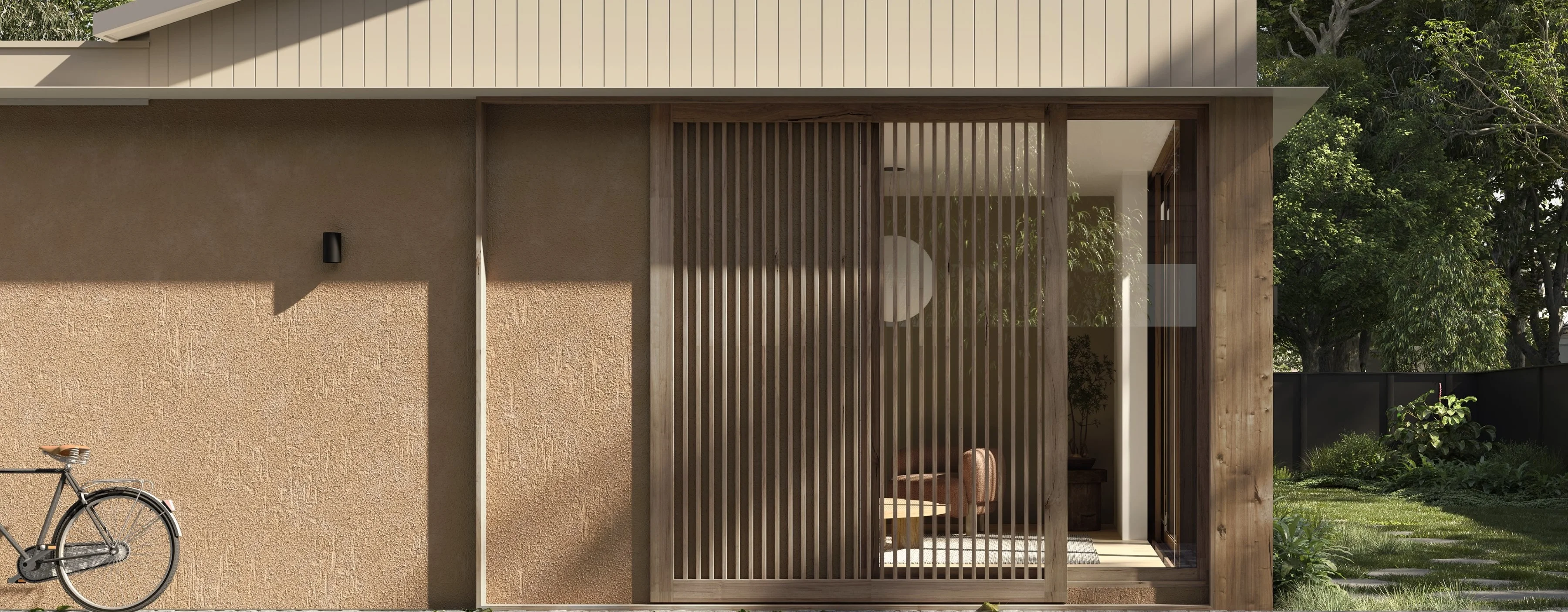
Elevated floor designs or open-under storey layouts can boost air circulation under the home, while large, shaded openings on opposite walls encourage cross-breezes. Deep verandahs and wide eaves shield the property from intense sun and summer downpours.
Roof insulation paired with reflective sarking helps cut down on radiant heat entering living spaces, while darker, more heat-absorbing materials are best avoided on the exterior. Inside, ceiling fans are an energy-efficient ally to make rooms more comfortable without resorting to air conditioning.
Incorporating Hardie™ Brushed Concrete Cladding into your design can make your spaces ‘pop’ while also being a climate-appropriate envelope. Together, these strategies should help Brisbane homes stay cool and airy, as well as resilient to humidity no matter the season.

For Hobart’s cooler climate, retaining heat and blocking chilly winds should be top-of-mind. The Energy Efficiency Guide states the importance of using thicker insulation in walls and ceilings, and minimising thermal bridging. High-performance double glazing and well-sealed building envelopes are a must.

For the exterior, Axon™ Cladding works beautifully when combined with a reflective wall wrap like Hardie™ Wrap Weather Barrier and insulated cavity – creating a durable, weather-tight layer against rain, frost and wind. Alternatively, Hardie™ Oblique™ Cladding can give you a robust yet contemporary façade that pairs well with thicker wall insulation.
Orientation plays a big role, too. North-facing windows capture the low winter sun, while smaller openings on the south side helps reduce heat loss. Including an airlock entry can also help stop cold air from infiltrating the building.
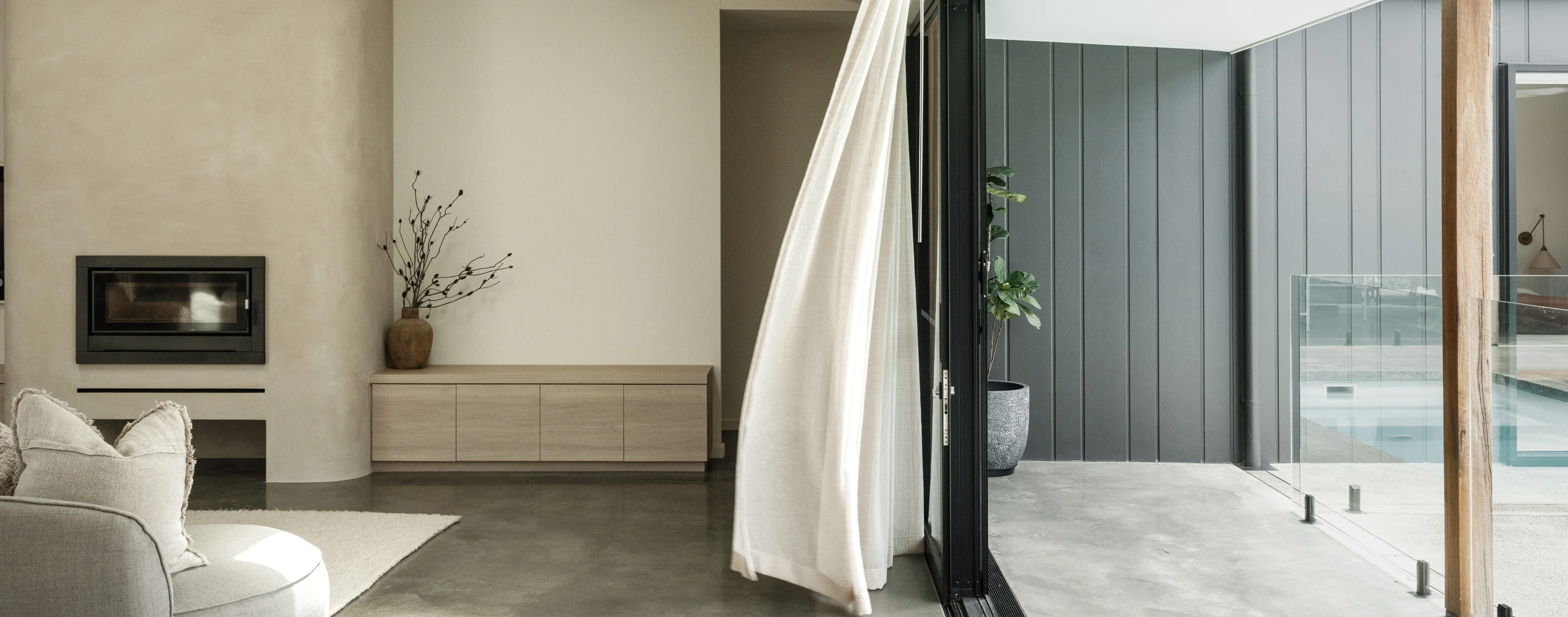
Thermal mass inside the home – such as polished concrete floors in sunny areas – will absorb daytime warmth and release it at night to give you a more stable internal temperature. Combined with the right cladding and insulation, Hobart homes can achieve exceptional comfort and energy performance.

No matter where you live, a thermally efficient home is achievable with the right planning, materials, design strategies and, of course, builders. Start by understanding your climate and then work with the right products to create a home that looks beautiful and performs brilliantly year-round.
For more details on customising your home’s design to your location – including construction diagrams, product recommendations and climate-specific tips – download our Energy Efficiency Guide