Products


Inspiration
In Australia, the exterior of your home is more than just a pretty face; it’s a crucial shield against the elements, and increasingly, against the threat of fire. With our country’s diverse climate and the growing focus on building safety, especially in bushfire-prone areas, understanding facade fire compliance has never been a more relevant topic.
For anyone building a new home or undertaking a renovation, navigating these requirements isn’t just about ticking boxes; it’s about helping safeguard your investment and ensuring lasting peace of mind.
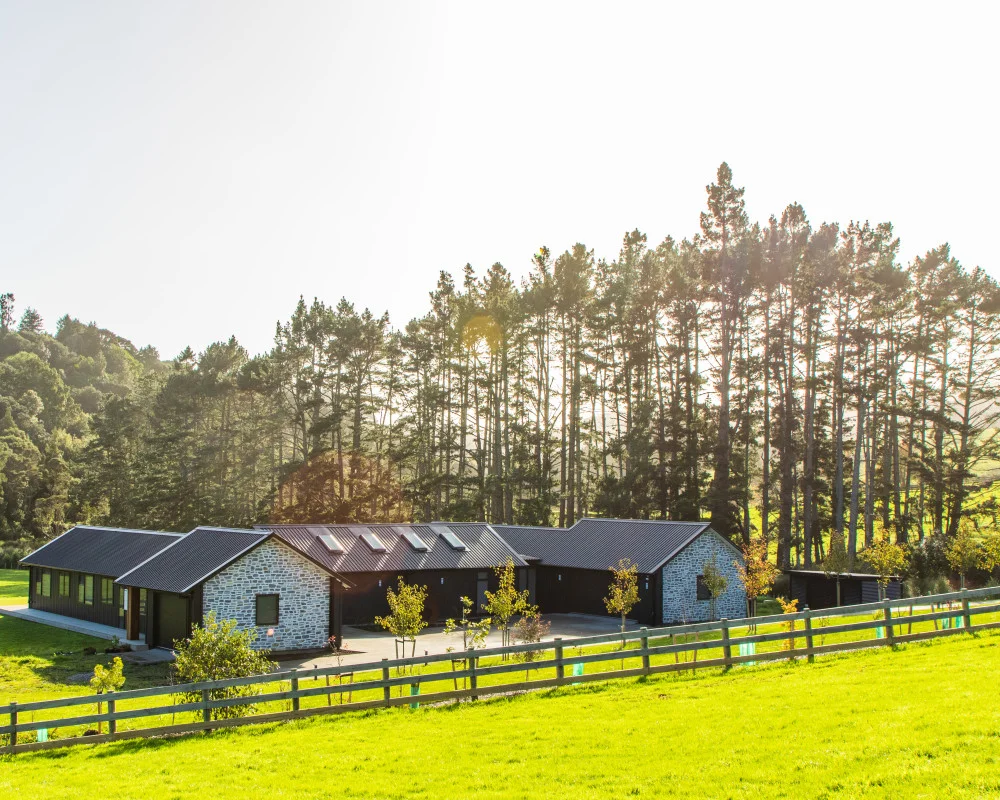
When you're planning a build or renovation in many parts of Australia, you'll likely hear about a 'BAL' rating. BAL stands for Bushfire Attack Level and it's an essential measure of how exposed your property is to a bushfire. Think of it as a risk assessment for your home, indicating the potential for ember attack, radiant heat and even direct flame contact.

There are six distinct BAL levels, ranging from BAL-LOW to BAL-FZ (Flame Zone), each representing a different degree of risk:
The higher your property's BAL rating, the greater the potential danger, and consequently, the stricter the construction requirements for your home's exterior.
For example, if your property is in a BAL-29 area, your external walls and other elements will need to be robust enough to withstand a specific level of radiant heat.
To find out your property's BAL rating, you can consult a qualified bushfire assessor or check your local council's planning information; it's a crucial first step.
When it comes to fire compliance, the materials you choose for your home's exterior are key. The golden rule is to opt for non-combustible materials: those that won't easily catch fire or contribute to its spread.
This is where James Hardie’s portfolio of fibre cement exterior solutions truly shine. Hardie™ fibre cement is an excellent choice because it’s deemed non-combustible in accordance with the NCC (National Construction Code), inherently fire resistant.
It's worth noting that while Hardie™ fibre cement is a fantastic fire-resistant option, the specific requirements can vary depending on your property’s BAL rating.
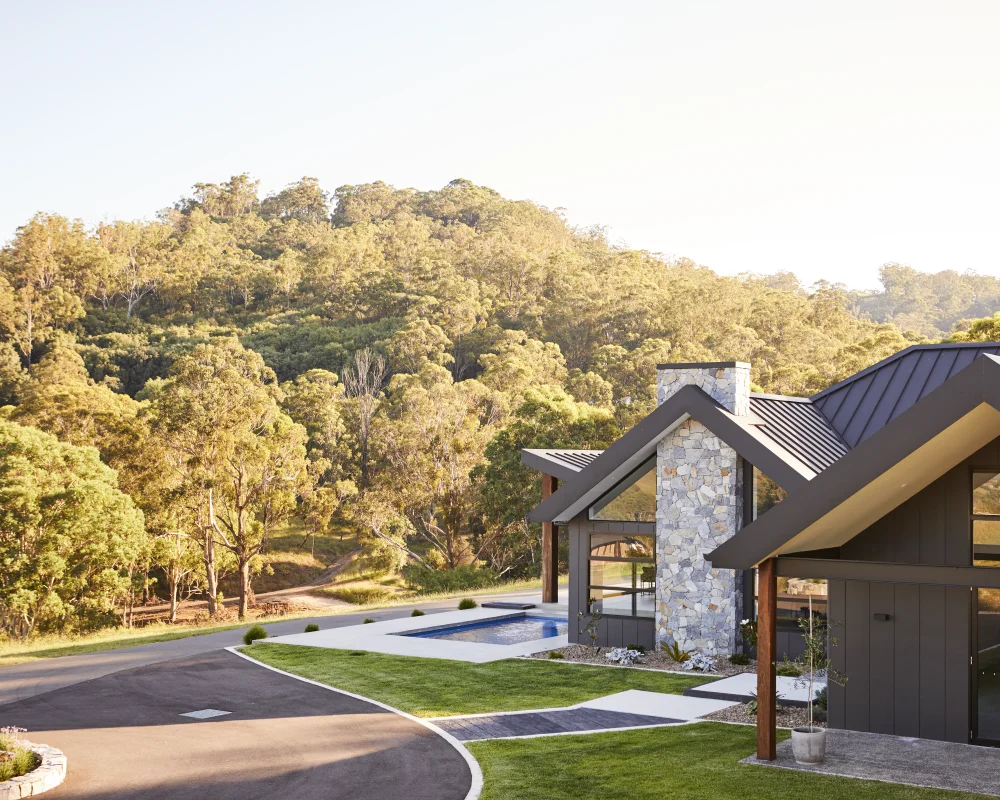
Beyond simply picking the right materials, how they're put together makes all the difference in fire compliance. Even the most fire-resistant cladding needs to be installed precisely according to the manufacturer's guidelines and Australian standards.
A perfect product can be compromised by poor installation, so be sure to work closely with qualified bushfire assessors, architects or building designers and builders who have a deep understanding of bushfire construction requirements.
Small gaps and unsealed joints in your facade can become entry points for embers during a bushfire. Proper sealing is absolutely vital across all BAL levels to create a continuous barrier against ember attack.
James Hardie’s array of fibre cement cladding options in the Hardie™ Architectural Collection offer a beautiful and compliant solution for facades, blending stunning aesthetics with fire resistance. Here’s what you need to know:
Always discuss these details with your builder or designer to ensure you're making the best choice for your home's fire compliance.
If you’re located in a bushfire-prone area, taking action on fire compliance is a crucial step towards creating a secure home. Your immediate priority should be to obtain a professional BAL assessment for your property. This assessment will clearly define the specific requirements for your build or renovation.
For more information, download our technical supplement; it’s jam-packed with information about the construction of buildings in bushfire-prone areas to help you make informed decisions for a compliant and resilient home.