Products


Inspiration
Starting a new home build is an exciting opportunity, but it can quickly start to feel overwhelming. From understanding how to use your block and setting an appropriate budget for the build, to selecting materials and finalising designs, there are countless decisions to make along the way.
The good news is, you’re not expected to know everything from the start.
It might feel like a daunting task, but having a clear plan can help you approach the process with confidence. Asking the right questions can help you make decisions that support not just how your home looks on day one, but how it performs for years to come.
Use this simple checklist as a guide for key things to consider when building a new home.
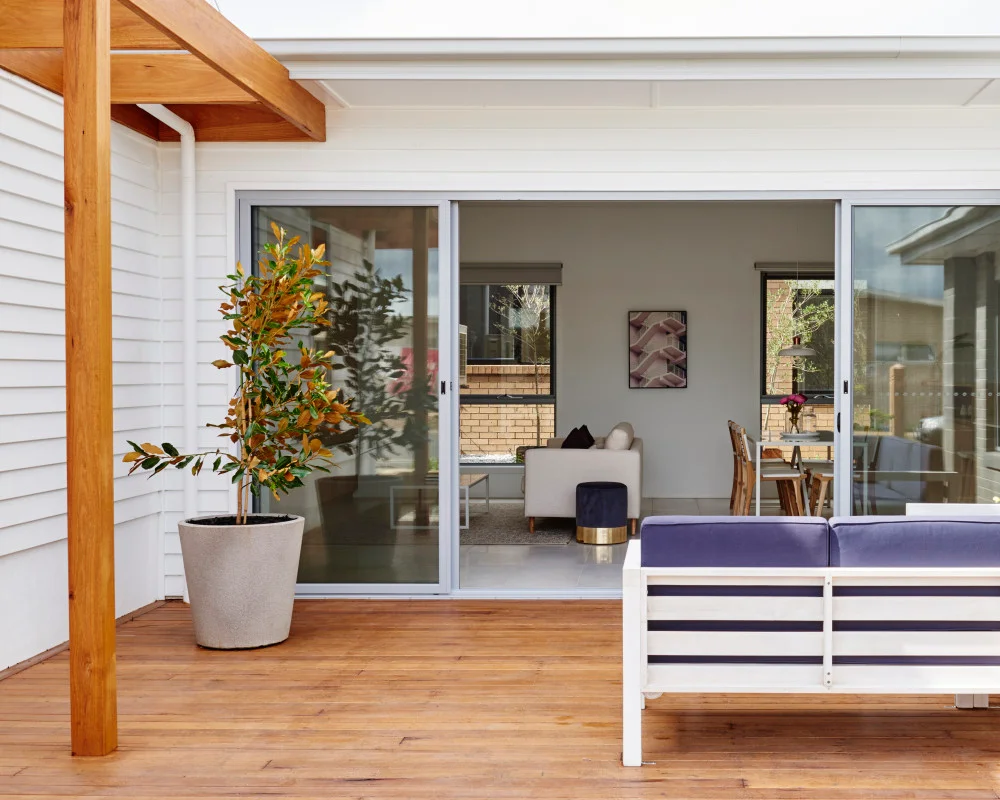
The first step towards a well-executed new home design is in understanding your lifestyle, not just the layout.
Before you even get to the stage of comparing floorplans or visiting display homes, take a step back and think about how you want to live in your home both now and in the future.
Ask yourself:
The answers to these questions can help shape everything from room sizes and storage requirements to outdoor spaces and flexible zoning.
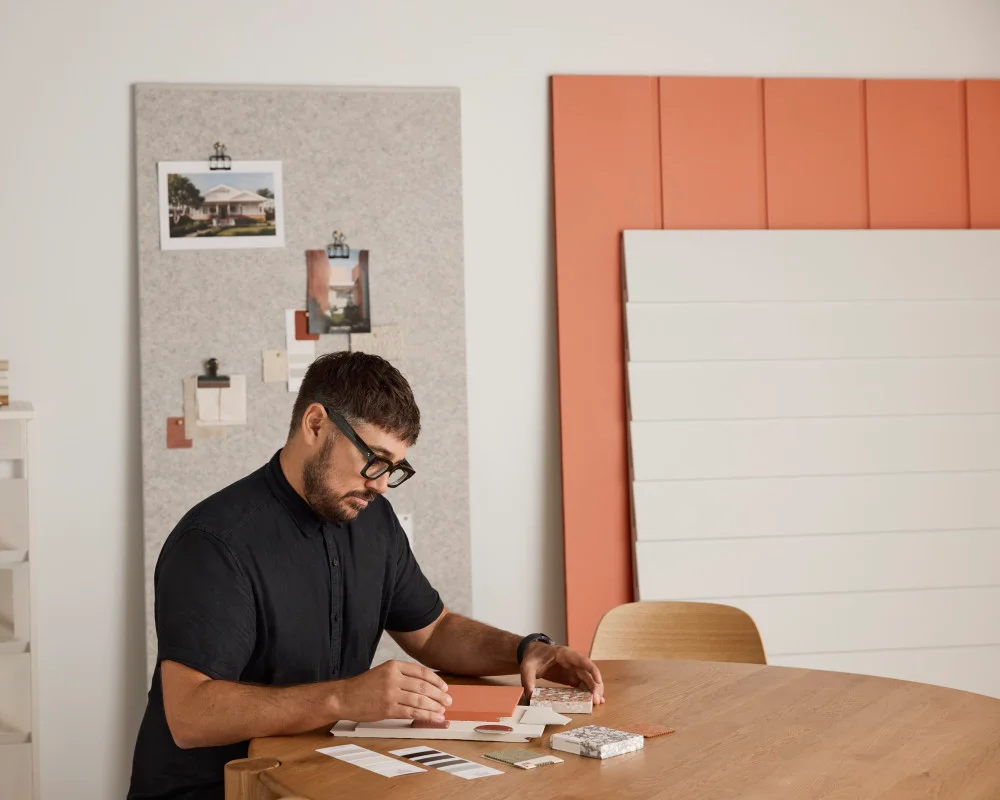
Budget conversations might not be the most exciting part of building, but they're among the most important.
Having a realistic understanding of your total budget upfront can help ease some of the stress around financial decisions - especially to help avoid any surprises once you have your heart set on a new home design.
When planning the scope of your project, consider:
The cheapest option isn't always the most cost-effective in the long run - the priority in the budgeting stage is clarity. Understanding inclusions, exclusions and long-term value can help you make more informed decisions.
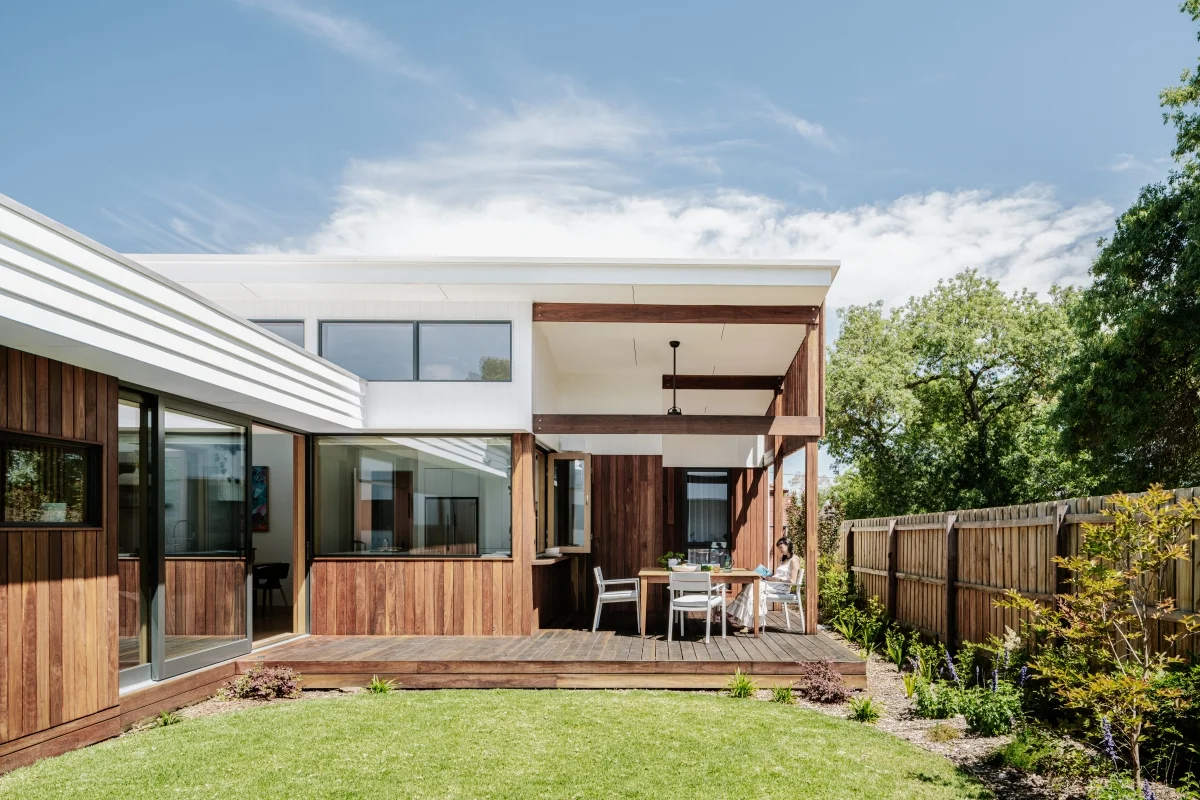
Another key aspect of home design is understanding your block.
The size, shape, orientation and site conditions of your land on your block can all affect the design, performance and functionality of your new home.
When considering if a home design is suitable for your block, ask yourself:
Ultimately, your block plays a key role in the way your home looks and performs. A home design that is the right fit for its site can be the difference between one that you love and one that you don’t.
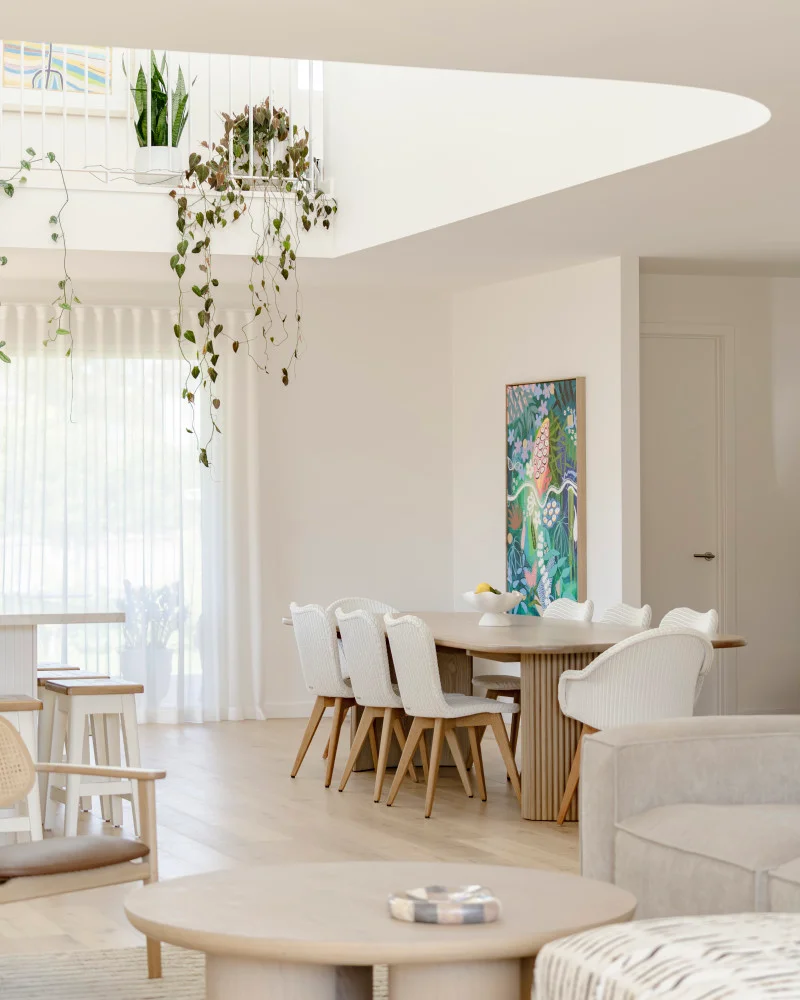
It’s easy to walk into a display home and fall in love with the aesthetic, , but great home design is about more than first impressions.
A strong design goes beyond the look ,supporting everyday living and balancing practicality, comfort and flexibility to ensure your routines feel grounded.
When planning the overall layout of your home, ask yourself:
A well thought layout can improve everyday living long after the excitement of moving in has passed.
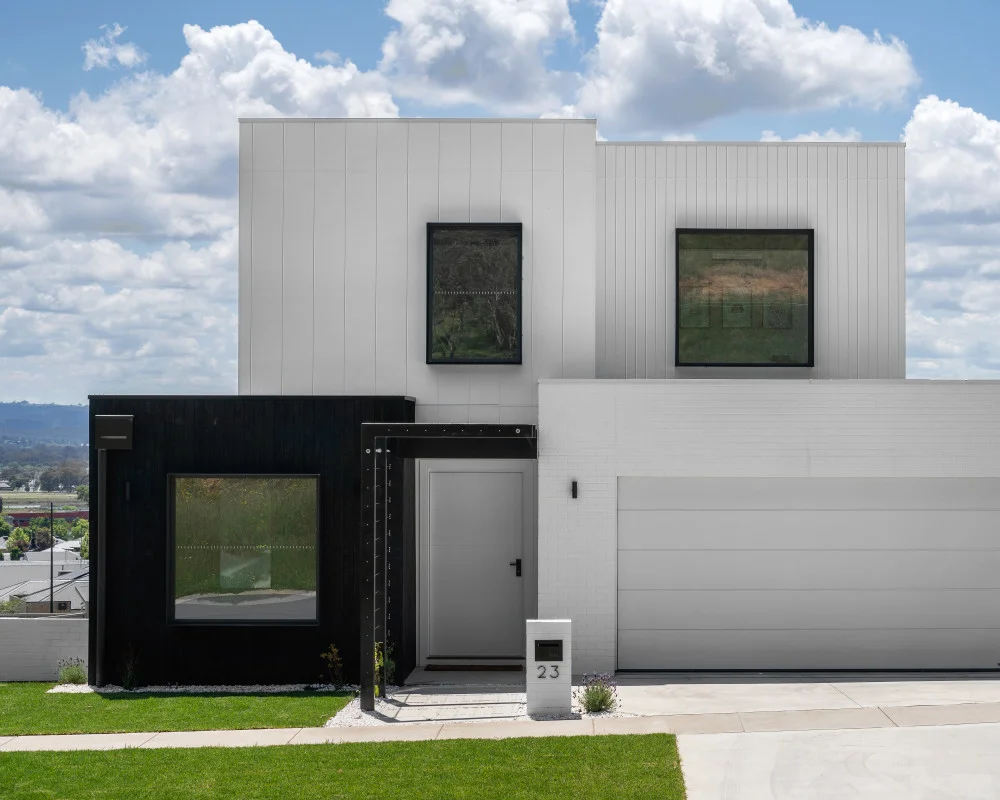
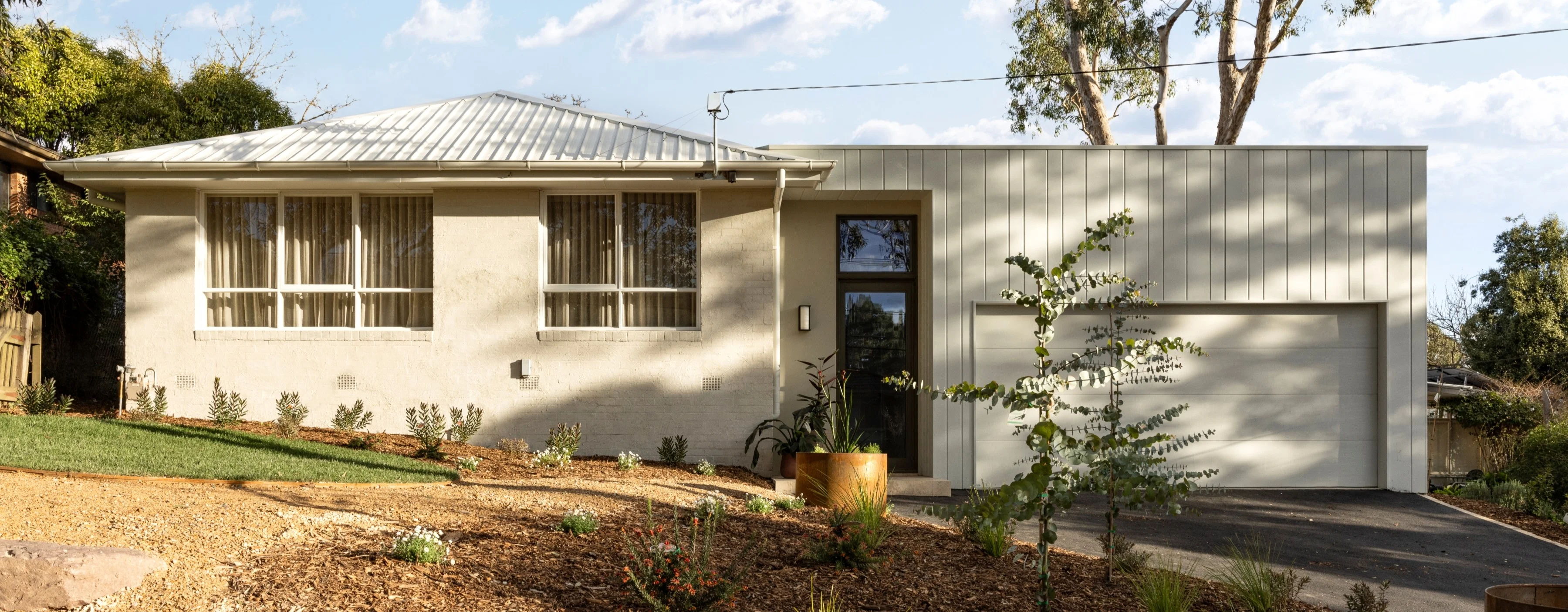
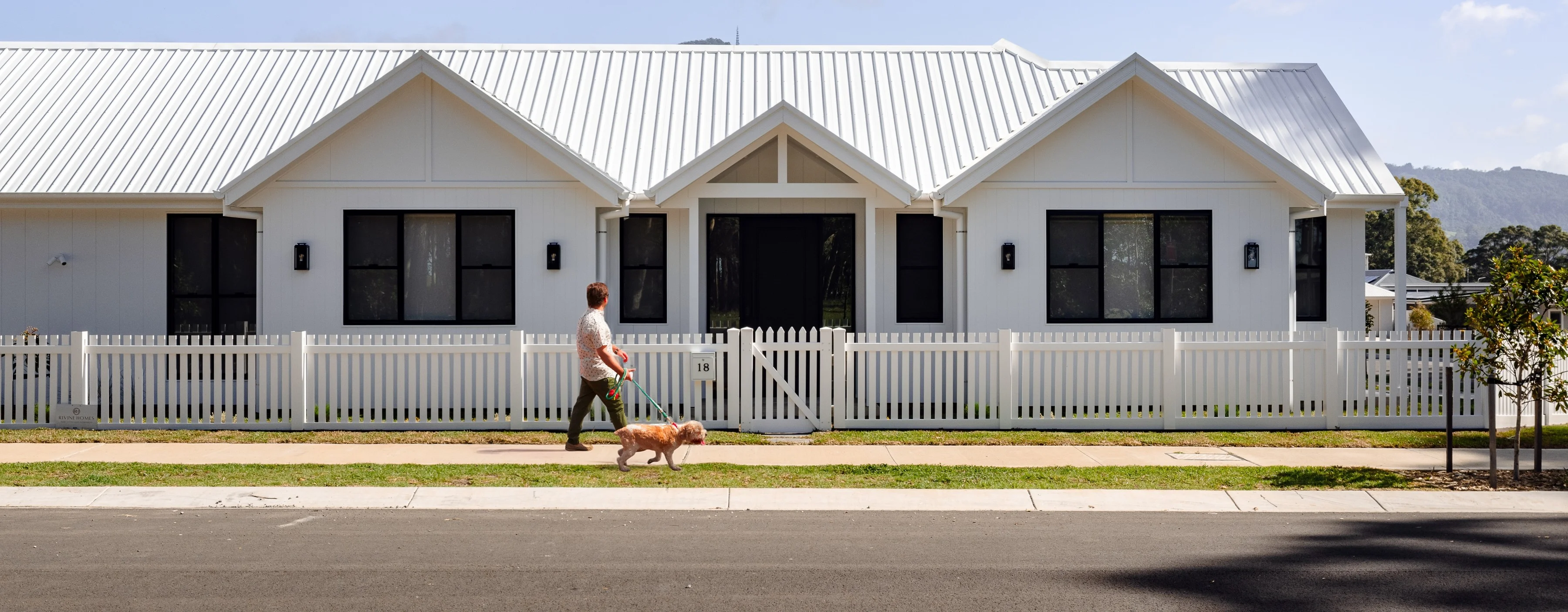
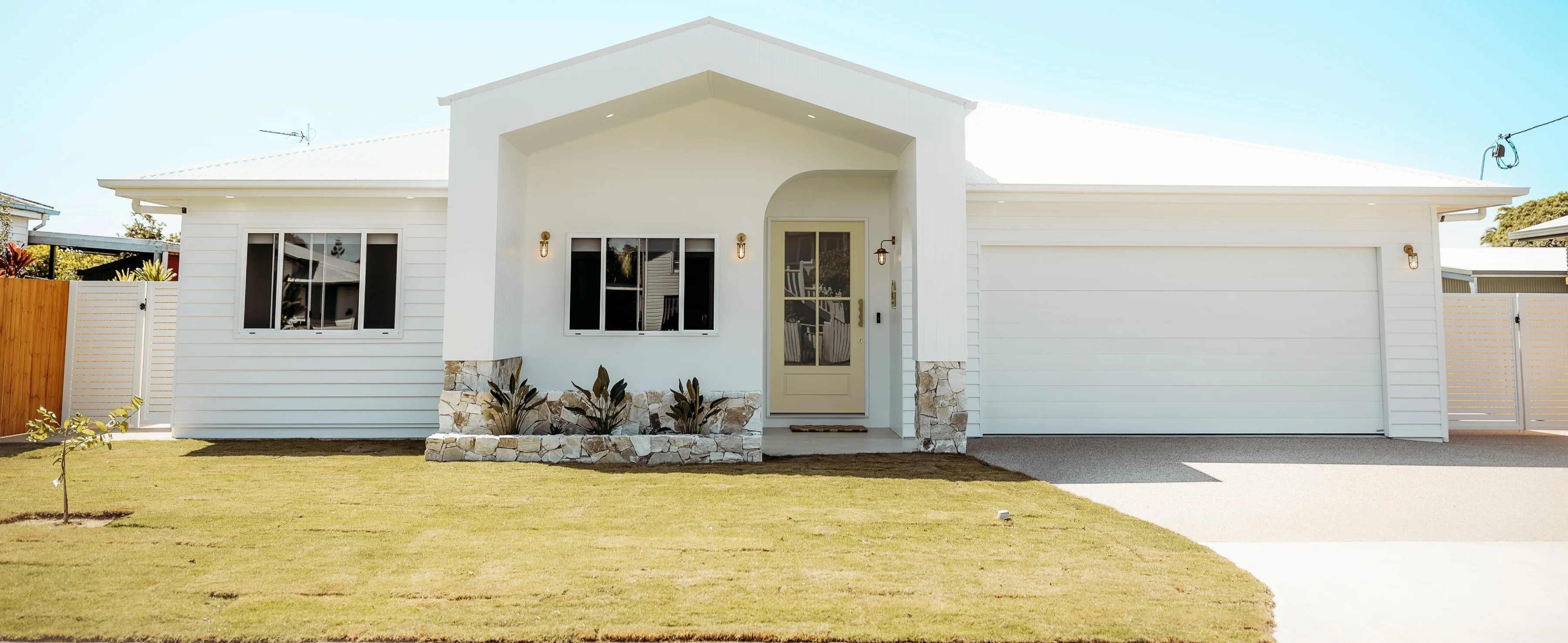
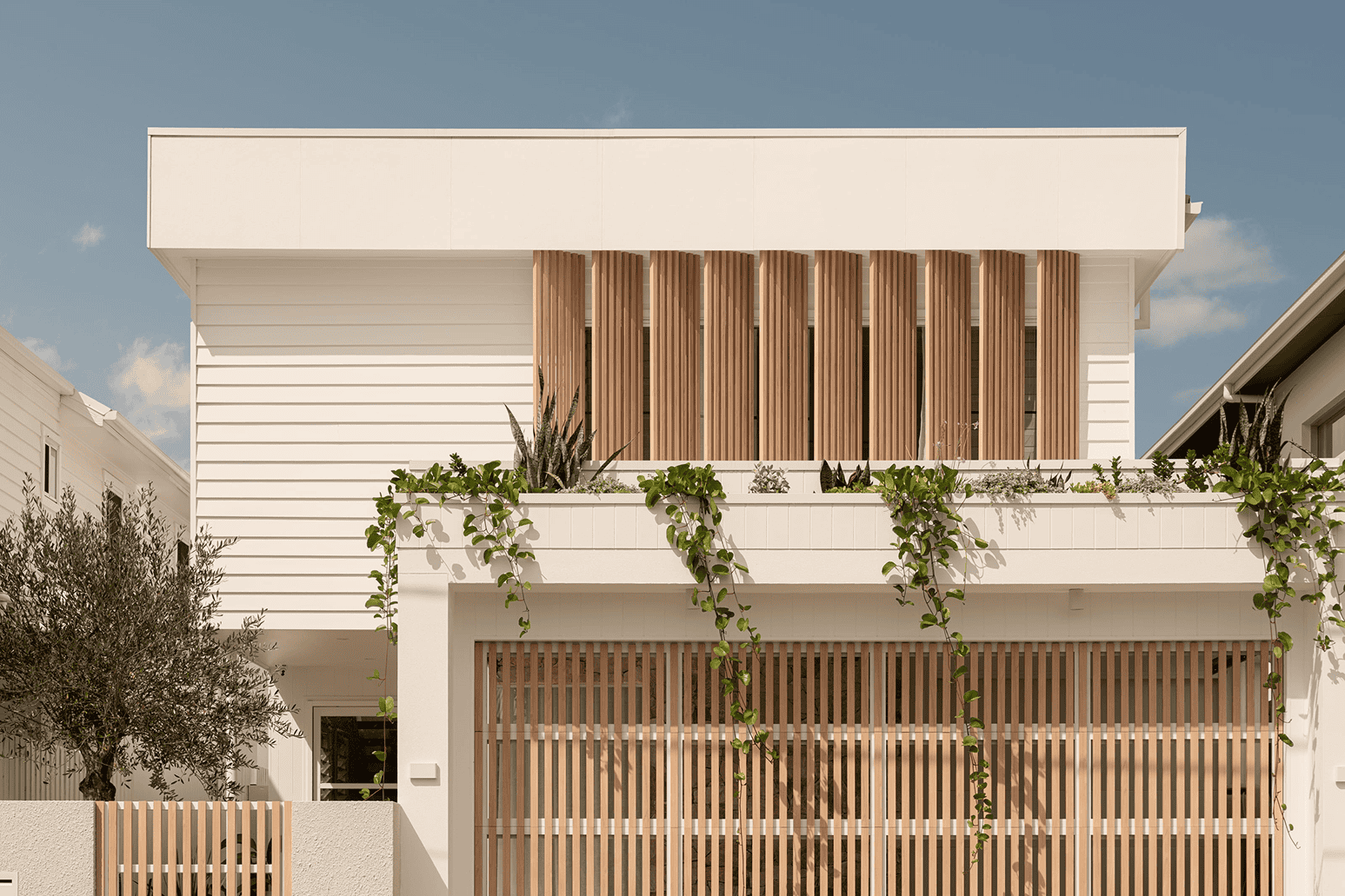
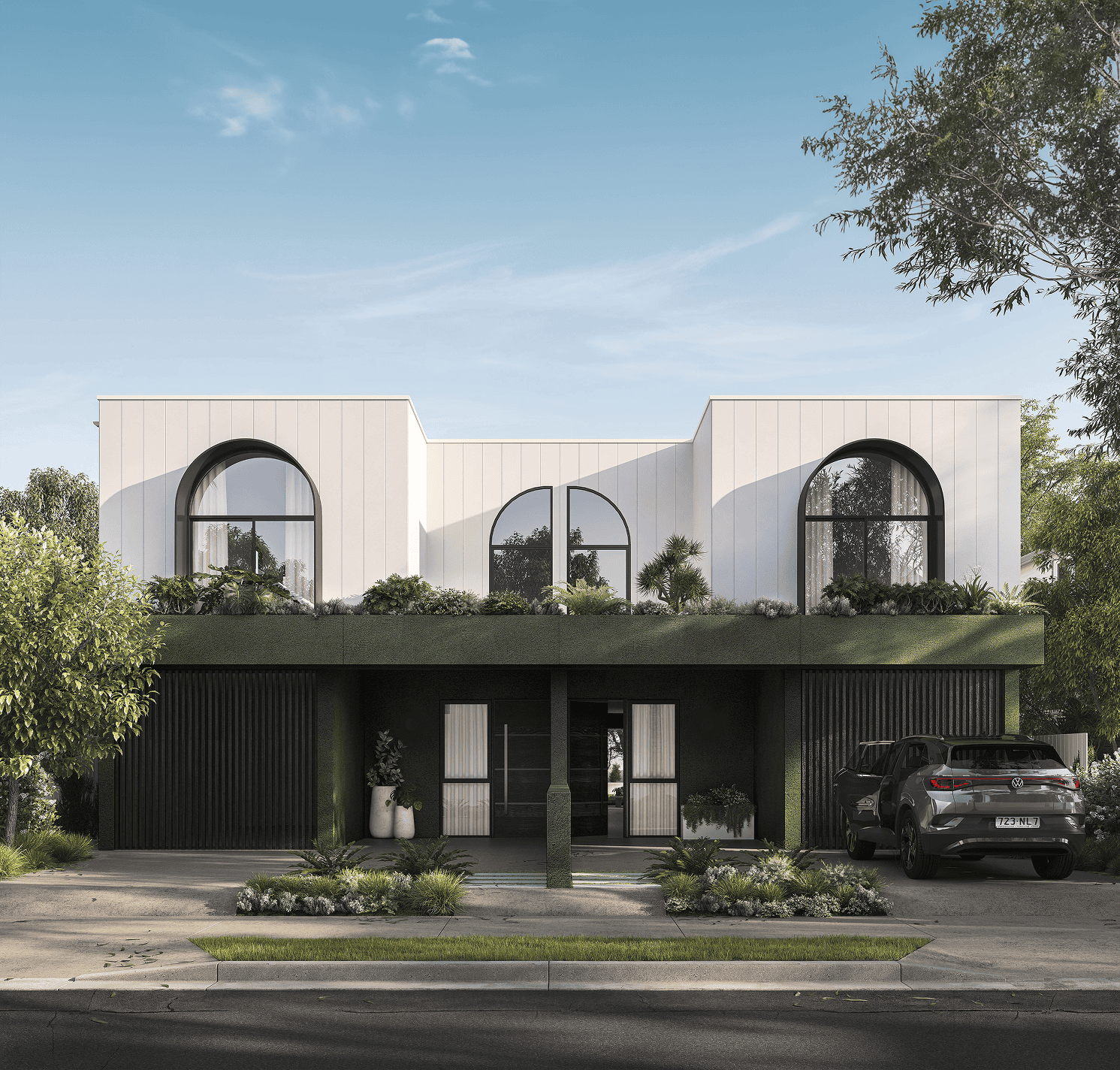
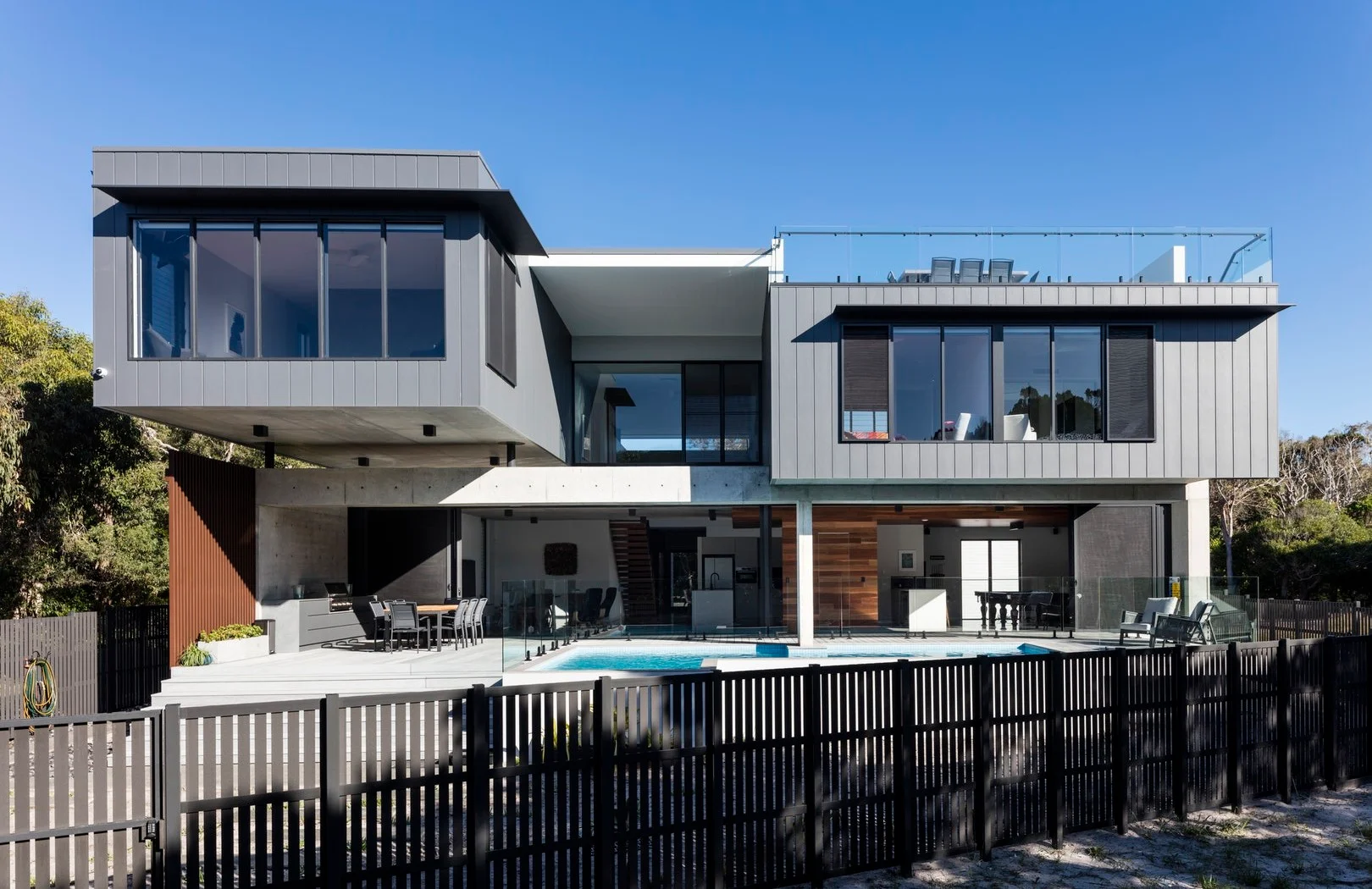
When planning to build a new home it’s easy to focus on interiors - after all, that’s where you spend most of your time. But the exterior of your home deserves just as much attention.
Your façade not only can influence your home’s value, but also plays an important role in durability, level of maintenance required and long-term performance.
To create an exterior look you’ll love, consider:
Modern cladding and façade systems offer homeowners more flexibility than ever before, combining contemporary design with durability and low-maintenance performance.
Thinking about exterior materials early can help ensure your home achieves both the look and longevity you're aiming for.
If you’re not sure where to get started, the Hardie™ Architectural Collection offers a range of Australian-made exterior solutions, providing design flexibility across a variety of contemporary home styles.
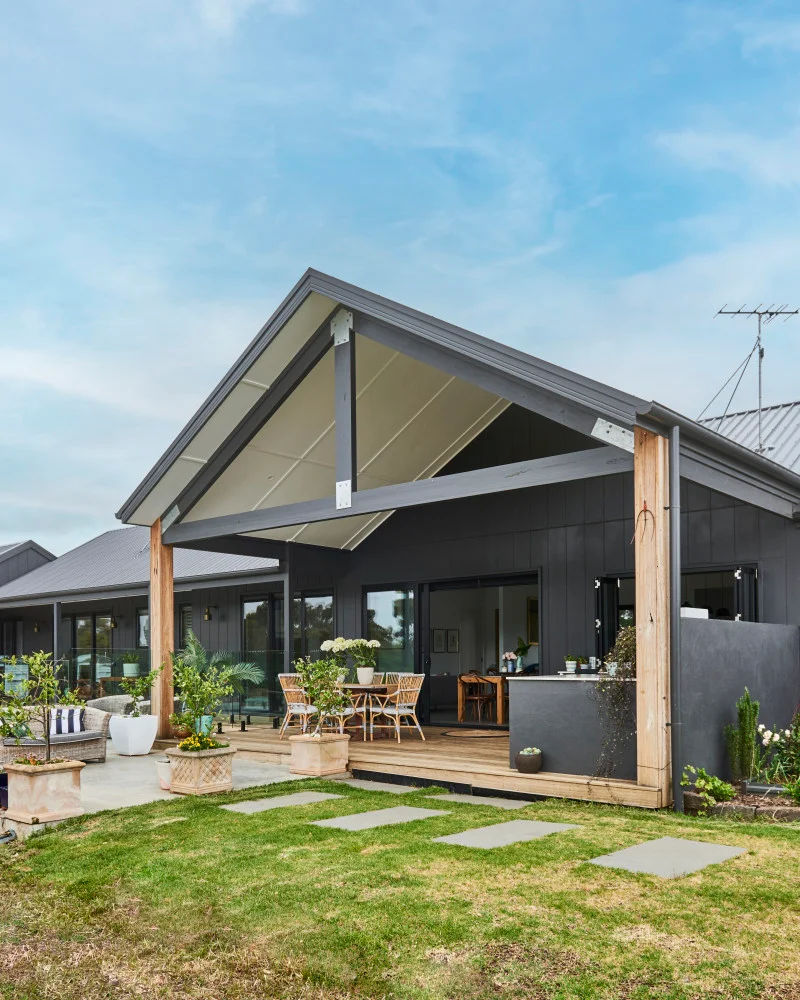
A great home doesn't just look good. It should feel comfortable to live in throughout every season.
Thinking about performance early can make sure you continue to enjoy the experience of living in your new home long after construction is complete.
Some key things to consider:
Performance isn't just about meeting regulations. Home building design that prioritises performance does so to support everyday living.
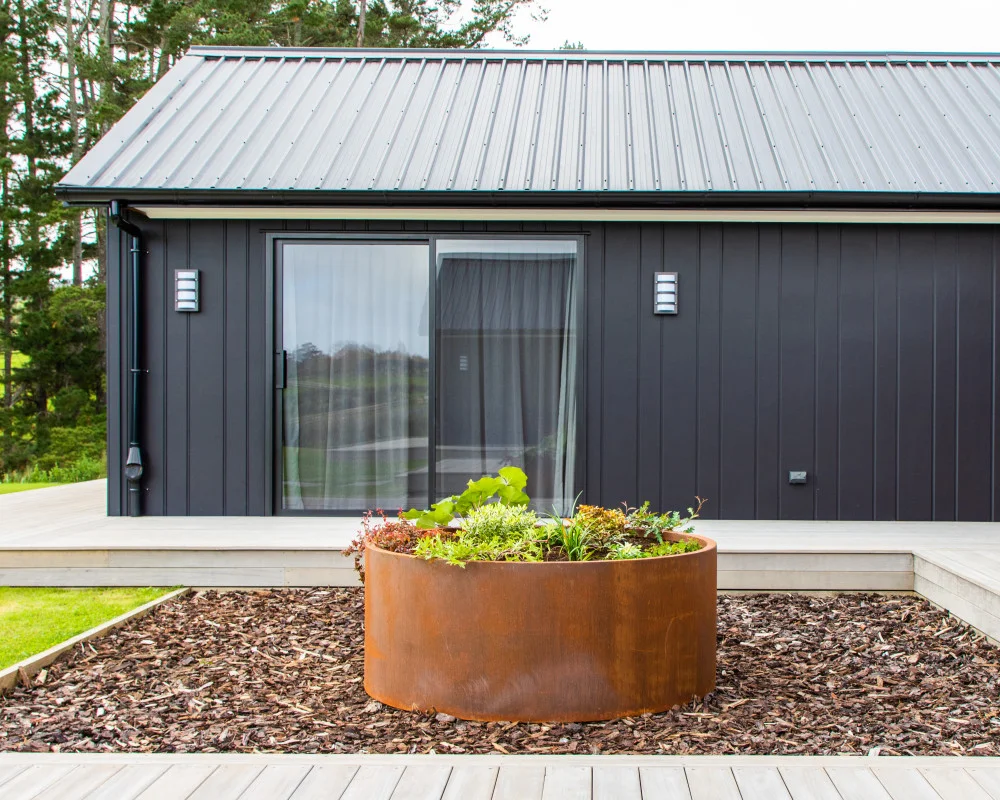
The advantage of building new is that you have the opportunity to make choices now that will continue to deliver value well into the future.
Materials, finishes and design decisions all contribute to how much maintenance your new home will require over time.
When thinking about your new build’s longevity, ask yourself:
Considering longevity from the outset can help reduce future maintenance demands while helping keep your home looking great for many years to come.
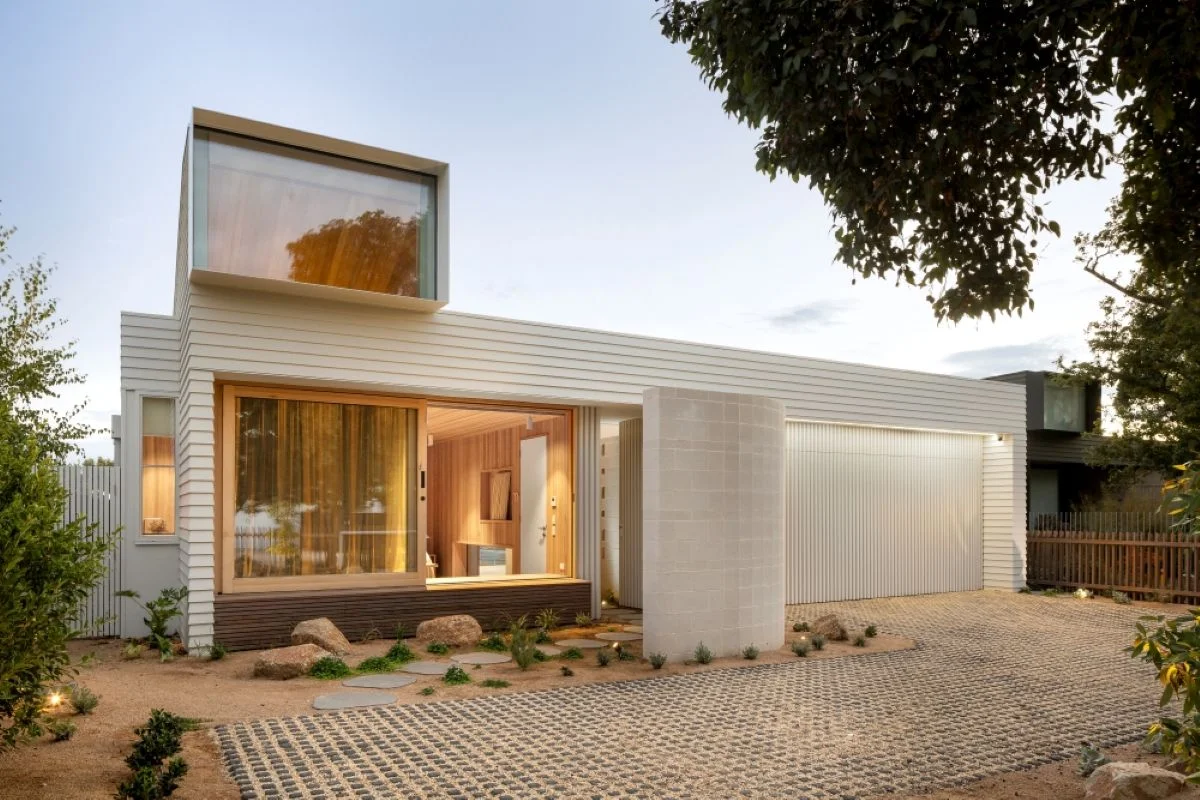
A successful new build isn't just about what looks good today. It's about creating a home that supports your lifestyle, performs well in Australian conditions and continues to deliver value over the years ahead.
You don't need to have every answer before speaking with a builder. However, having a clear understanding of your priorities can help you ask better questions, make more confident decisions and enjoy a smoother building journey.
Find a display home near you to take the first step in figuring out the kind of home you’d like to build.