Products


Inspiration

Many Australians know the feeling when winter arrives, from miserable weather to sudden cold snaps that make your home feel like a refrigerator. In summer, however, it seems there is no room you can hide from the heat in as your home turns into a hotbox. The natural response is to look for a quick fix, yet many miss the underlying factors meaning households remain uncomfortable, and energy bills continue to rise on heating and cooling.
Insulation is often the first place people often turn, but it's only part of the answer.
Actually, temperature regulation challenges in Australian homes are often a result of a combination of elements. Poor insulation, inefficient glazing and outdated design principles all play a role, shaping how effectively a home responds to seasonal temperature changes.
A common misconception is that there is one upgrade to suddenly make a home energy efficient, but unfortunately it isn’t that simple.
Your home’s performance is shaped by how each part complements each other:
This is why just adding insulation alone often doesn’t significantly improve thermal performance. Instead, a more effective approach is how when designed to work together, elements like cladding, insulation, and internal linings can act as an integrated solution.

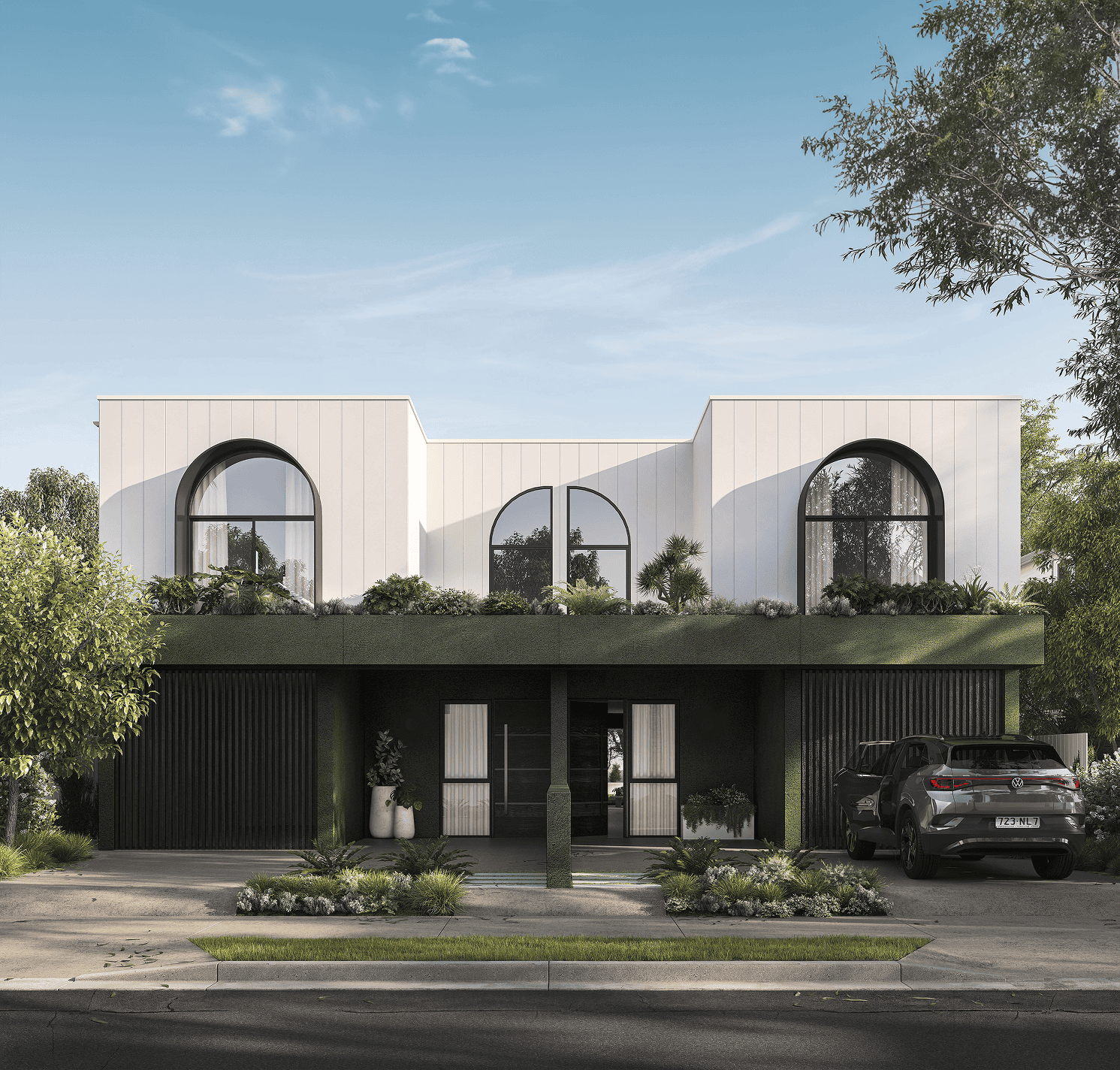
High performing homes could incorporate the Hardie™ Gravis™ Wall Panel, a lightweight masonry material that helps to keep homes warm in winter and cool in summer, contributing to increased energy efficiency and a more comfortable interior year-round. Hardie™ Gravis™ Wall Panels are steel reinforced for long-lasting strength, and are non-combustible providing fire, thermal and acoustic performance.
Using the right material for your home plays a key role in your home’s temperature regulation and comfort, although there are additional elements that can be looked at in more detail.

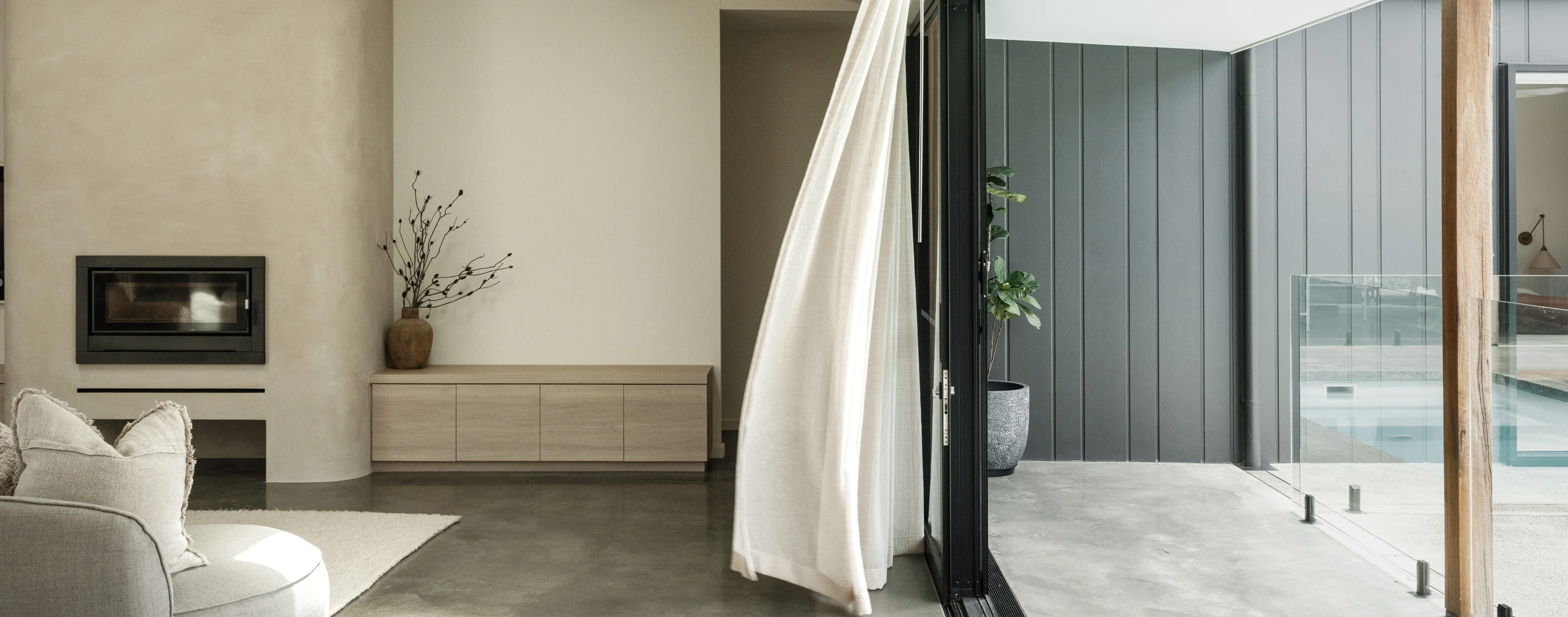
Thermal mass is a material’s ability to absorb, store, and release heat. Materials with heavier thermal mass like concrete slabs, masonry and tiled surfaces can help regulate indoor temperatures. However, effectiveness comes down to how and where these materials are used.
When positioned to absorb heat from the sun, such as in north facing rooms with large windows, thermally dense materials allow for a gradual release of heat, keeping indoor temperatures comfortable. In contrast, poor placement of thermal mass such as a concrete slab in a shaded area can have the opposite effect, absorbing heat from the room, and making the space feel colder.

While often overlooked, windows can play a significant role in the comfort and energy efficiency of your home.
Windows act as openings in the building envelope, and when poorly designed or placed, are common areas for heat to escape in winter or enter in the summer. Even in a well-insulated home, poorly positioned or designed windows can reduce the overall thermal performance of walls, roofs, and floors.
While you’d expect double or triple glazing to be an easy solution, in most cases it's not a product issue, but a design flaw.
So, while glazing supports thermal performance, it's equally important to consider the placement and design of windows in your home to contribute to temperature regulation.

Many older homes are designed following generic styles, oriented without considering the local climate. As a result, windows in some old homes aren't positioned relative to the sun, and don’t make the most natural light or passive heating and cooling. Instead, they work against the climate, creating an overreliance on mechanical heating and cooling to keep the home comfortable throughout the year.
Orienting the design of your home in line with the local climate ensures it can more effectively respond to surroundings, maximising comfort, energy efficiency, and year-round thermal performance.

Australia’s climate varies widely, from humid subtropical Brisbane to Melbourne's cooler climate, which means standard designs may not perform well in every location.
These differences are what makes orientation, material and design decisions critical to consider early in the planning stage to ensure your home is suited for the local climate.
Insulation
Thermal mass
Window glazing
There’s no single upgrade that will solve every comfort challenge, but when these elements are considered together, from layout and orientation to insulation, glazing and external materials, homes can achieve a more comfortable, consistent indoor environment without relying on excessive heating or cooling.
Take the next step towards improving your home’s energy performance by downloading the free James Hardie Energy Efficiency Guide for practical insights and guidance tailored to Australian conditions.