Products


Inspiration
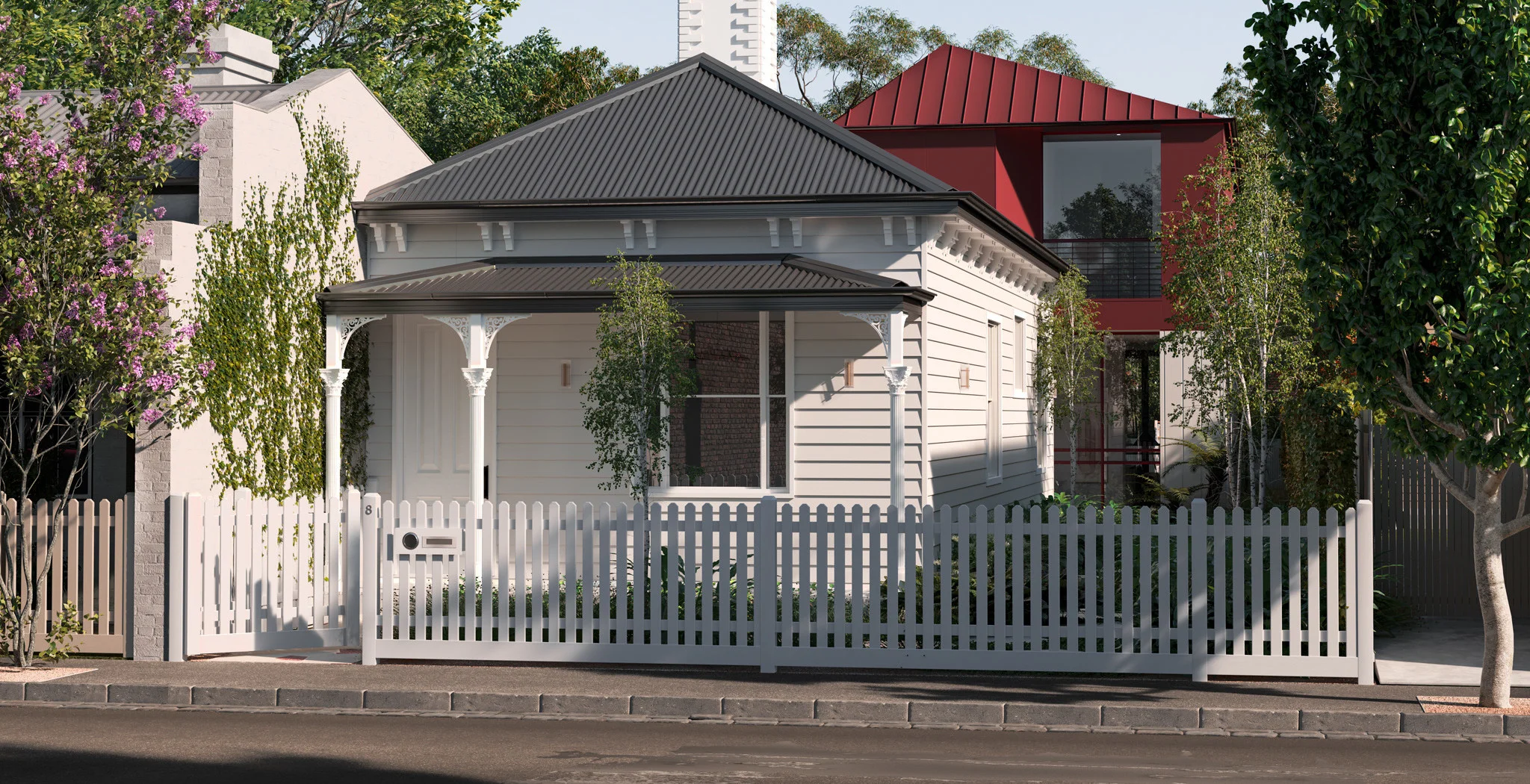
Modern Heritage renovations preserve original character while adding contemporary living spaces.
Thoughtful layout, transitions and material choices create layered, light-filled, functional homes.
Durable cladding and textures enhance longevity, comfort and sensory richness in extensions.
Carrying a particular architectural intelligence, Modern Heritage renovations resist the impulse to erase what came before and instead allow a home’s earlier life to remain visible, legible and deeply embedded in the experience of daily living.
If you’re a nostalgic homeowner working with an older property in an established suburb, Modern Heritage extensions offer a compelling path forward: preserve the character that gives the home its soul while introducing contemporary spaces that respond to how families live today.
In practice, creating a multi-dimensional sanctuary within a Modern Heritage home involves more than simply attaching a new volume to the back of an older structure.
It requires a thoughtful choreography between past and present, where materials, layout and spatial transitions guide the experience of moving through the home. The result is a layered environment that feels both grounded in history and distinctly modern.
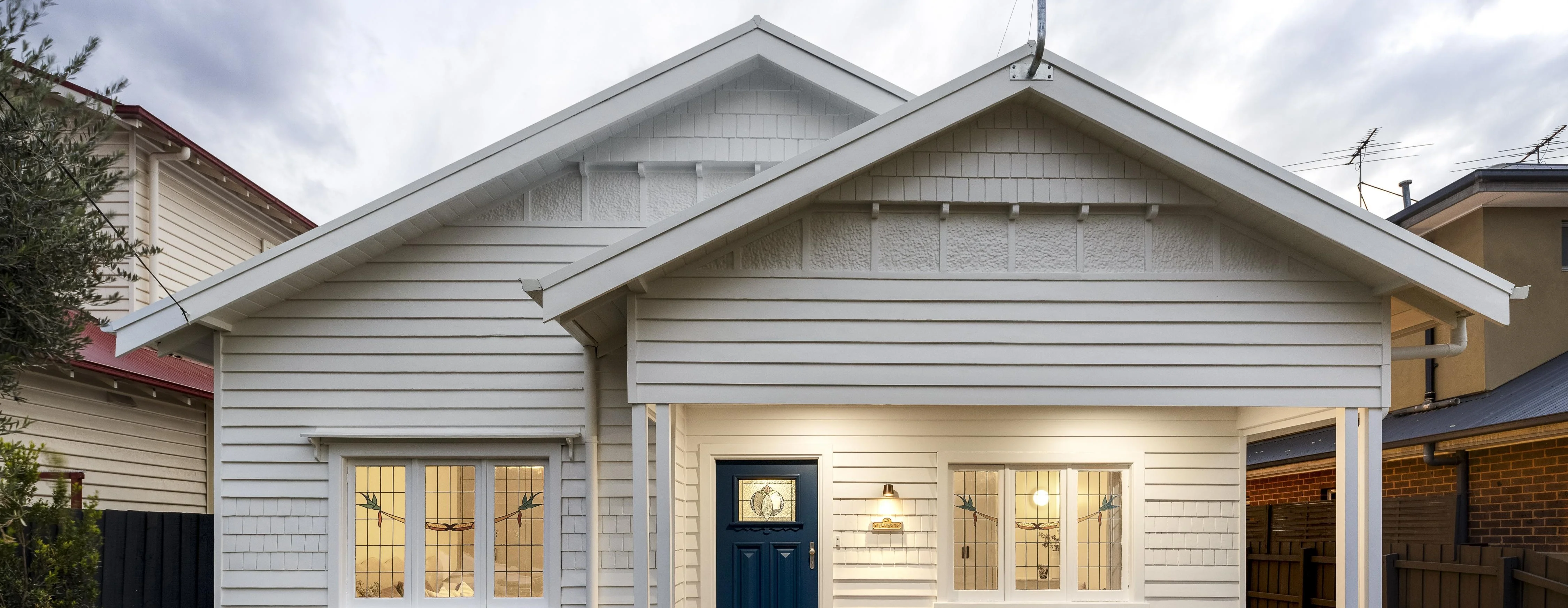
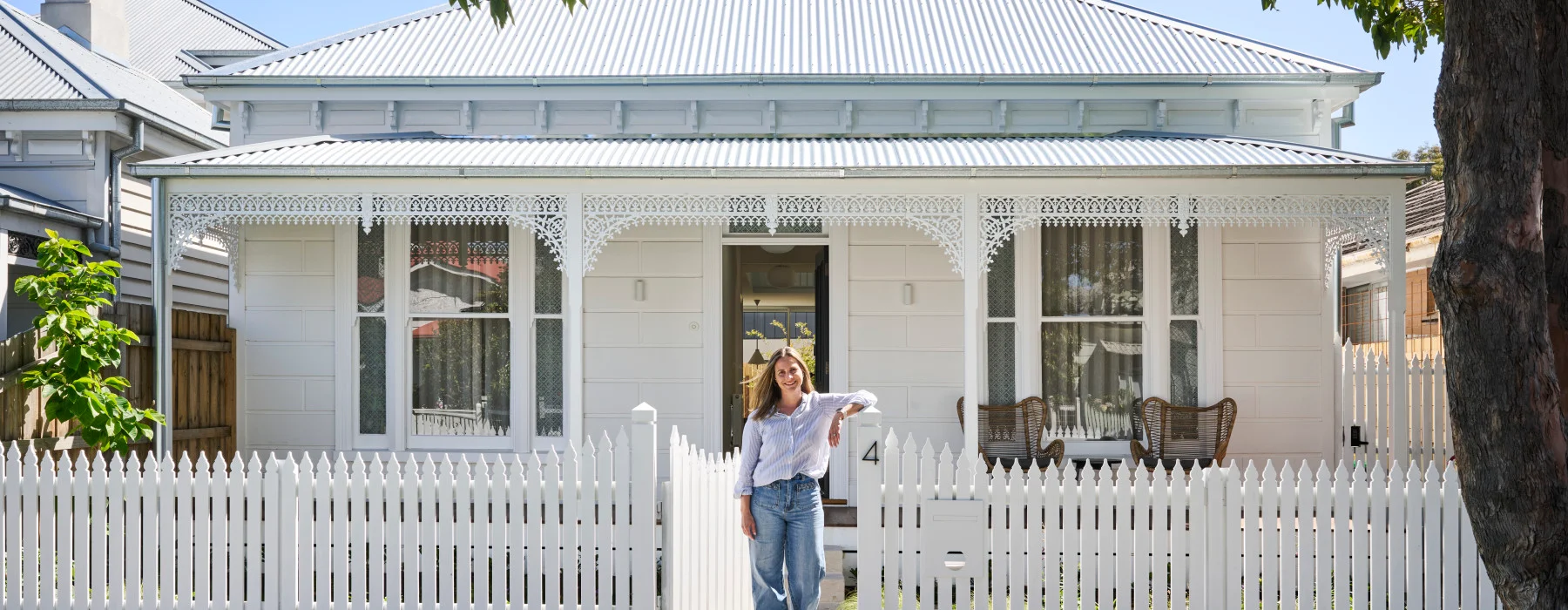
Modern Heritage homes are at their most compelling when renovation becomes an act of continuation rather than replacement. Retaining the original facade and significant architectural details preserves the cultural memory embedded in the structure while providing a framework for new living spaces.
Working within this existing structure also brings practical advantages. Preserving key elements of the building may reduce construction complexity and can significantly limit the scope of demolition and rebuilding.
If you’re renovating gradually as budgets allow, this staged approach often makes ambitious design goals more achievable.
Carefully selected materials enhance long-term performance, making the Modern Heritage home both beautiful and resilient over decades.
Lightweight cladding like Linea™ Weatherboard offers deep shadow lines and a crisp profile. It is an ideal substitute when replacing old timber weatherboards on heritage facades, as it preserves traditional charm while delivering modern durability and low maintenance. It is also resistant to moisture damage, ideal for exposed structures.
Retaining the heritage facade while integrating a modern addition helps ensure construction efficiency and cohesive design.
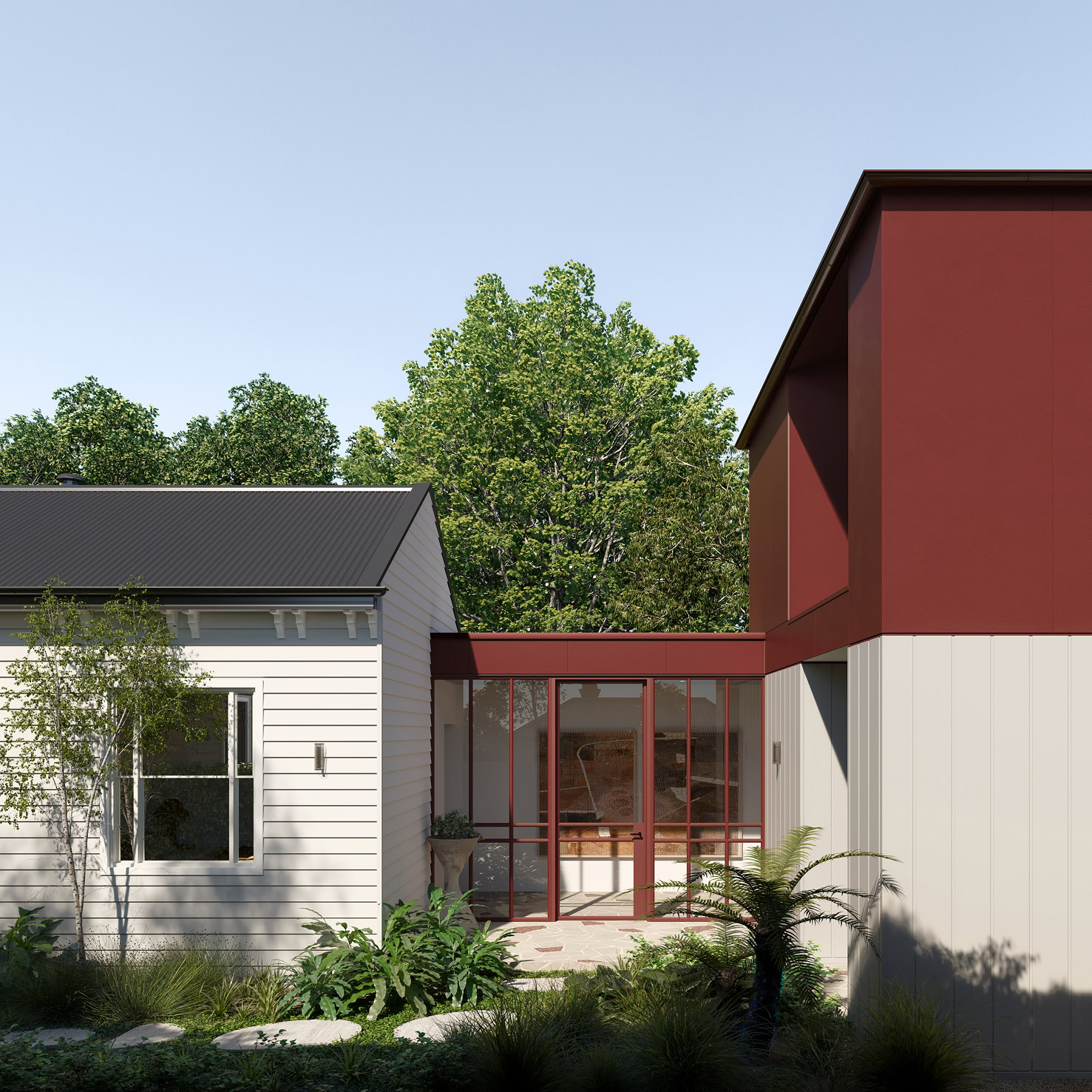
A successful Modern Heritage extension often unfolds through a carefully structured sequence of spaces.
In a typical arrangement, the original home at the front contains bedrooms or quiet sitting rooms, preserving the contemplative character associated with heritage interiors. Movement through the house then shifts toward a more expansive environment as you reach the contemporary addition.
Linear movement through the home: A clear pathway that moves from the heritage facade toward the rear living areas helps maintain a sense of order and orientation. Side paths or circulation corridors can guide movement directly toward the central family hub.
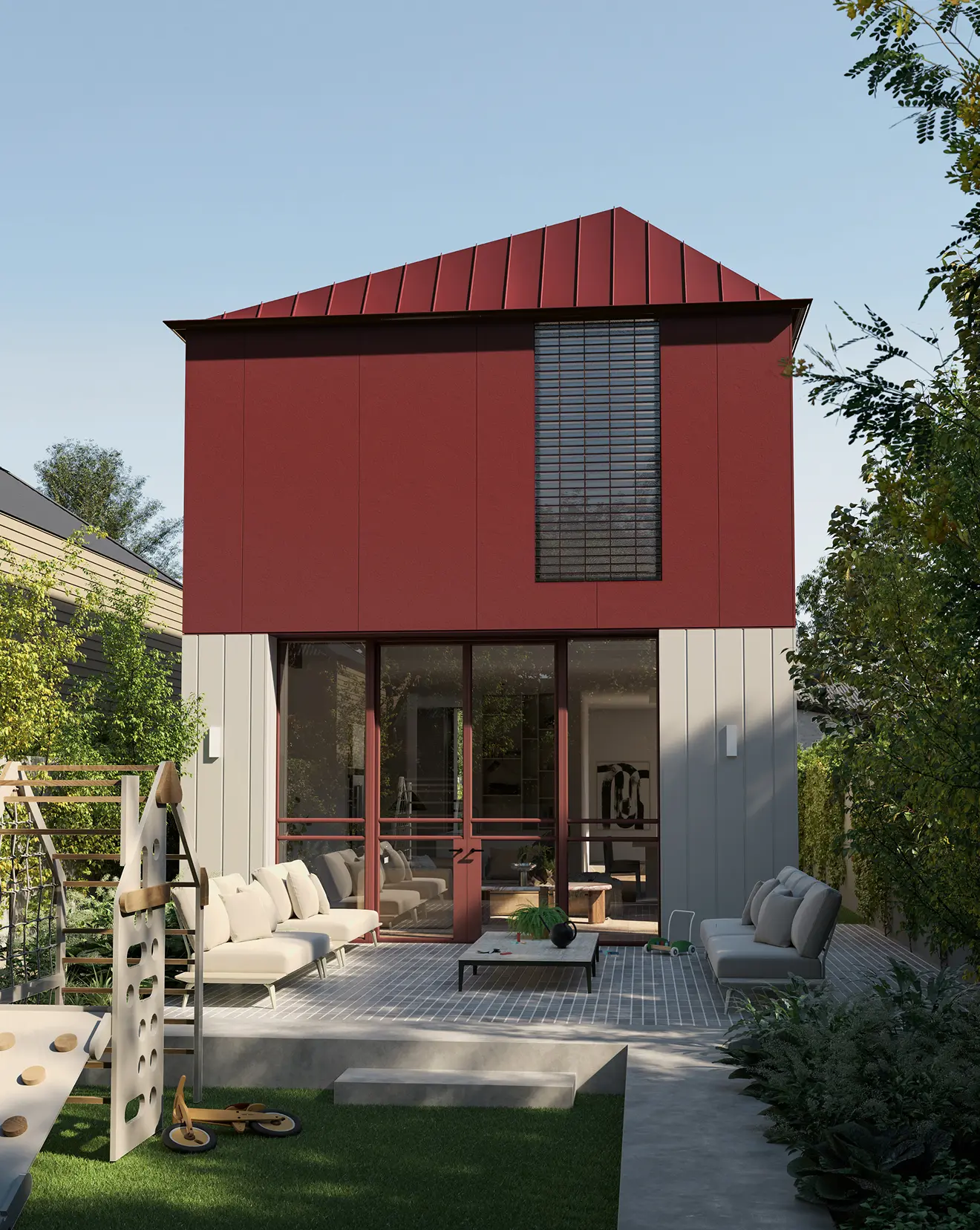
Open living zones at the rear: Kitchen, dining and living spaces benefit from larger volumes, greater glazing and direct connections to outdoor areas. This openness creates a natural gathering place for family life.
Vertical connection through voids: Double-height voids introduce light and a visual connection between levels. A master suite or parents’ retreat overlooking the living area can create a sense of intimacy without isolation.
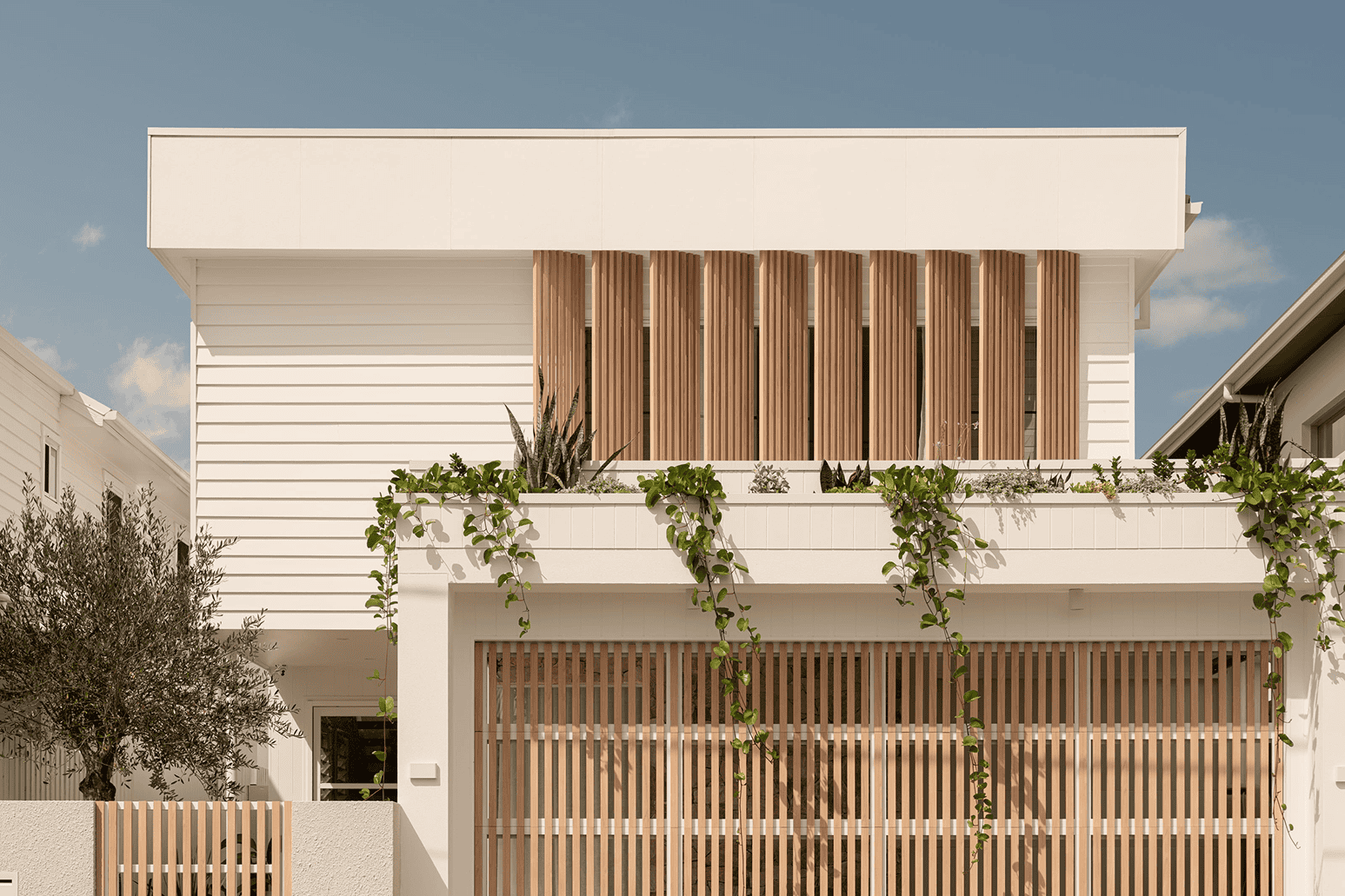
Screening and filtered light: Glass bricks, framed glazing and sliding screens help balance openness with privacy, particularly on narrow suburban blocks.
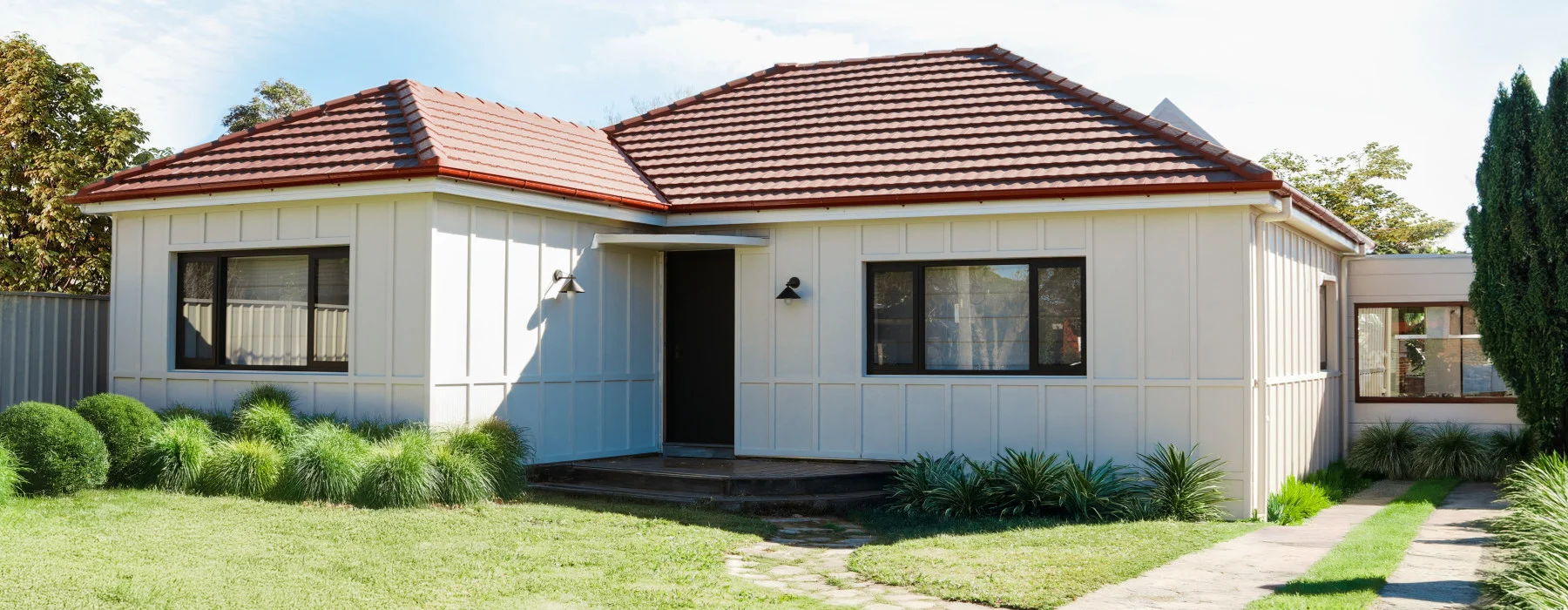
Within this spatial choreography, material choices are critical for both function and sensory impact. Here are three products from James Hardie’s array of exterior and trim product lines to get the look:
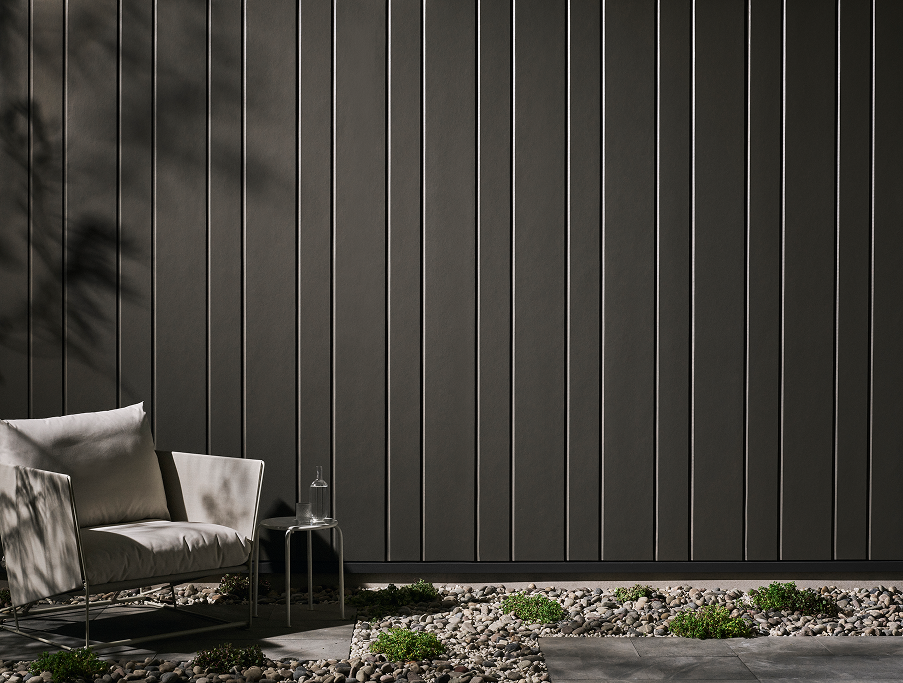
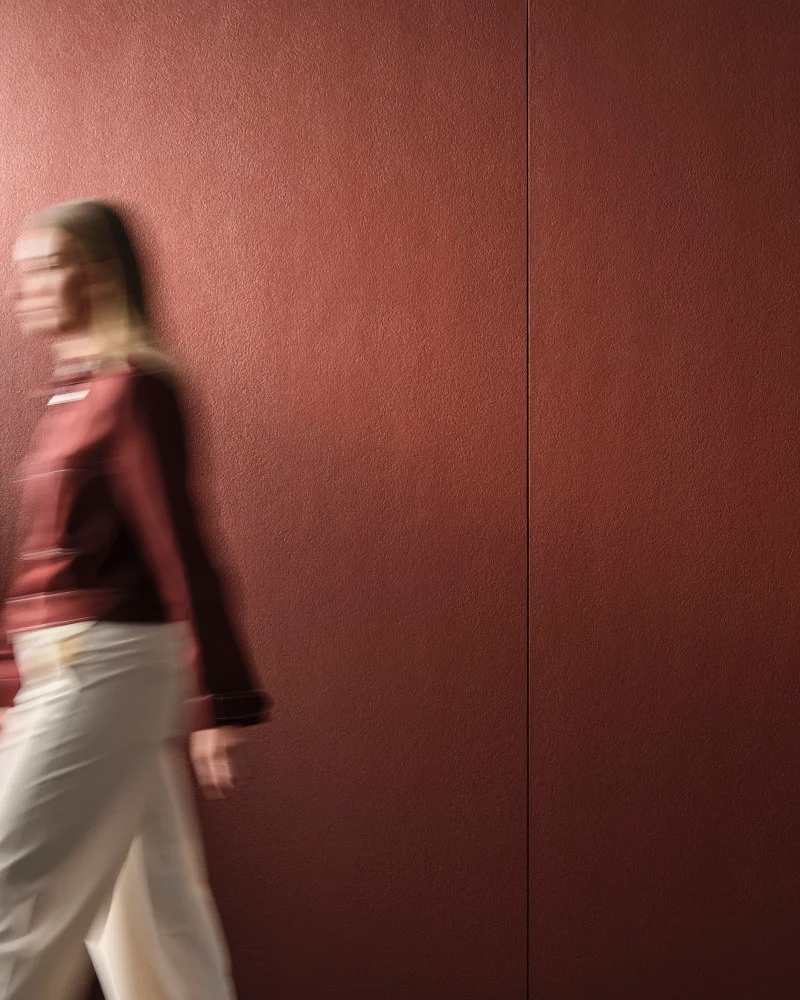
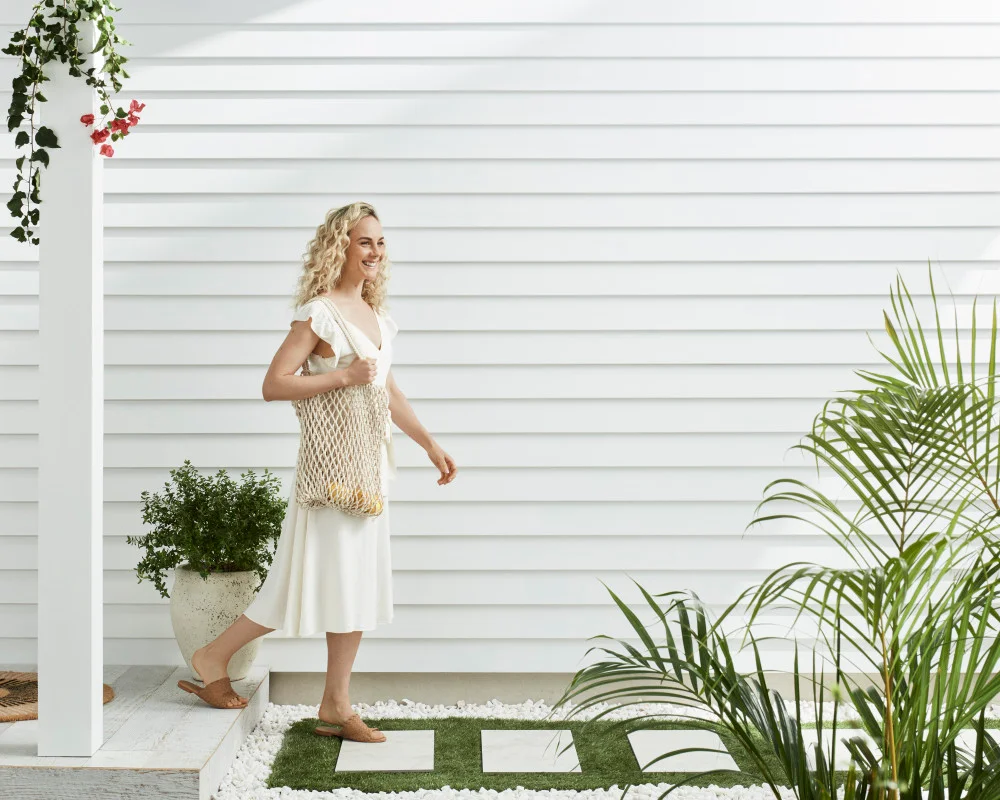
Beyond planning and structure, the Modern Heritage home boasts a sanctuary quality which often emerges through materials, depth and tactile contrast.
A palette grounded in deeper tones, such as ginger red, mulberry and navy, establishes warmth and visual richness, while green accents provide moments of vitality. Textural layering further amplifies this.
Common material expressions include:
Grooved cladding and lined surfaces that cast subtle shadow lines
Elegant stepping stones from RMS Traders or textured pavers along entryways
Brushed metal finishes that introduce quiet reflection
Marble, tile and natural-look materials that deepen sensory experience
Rounded forms that soften the transition between old and new
Take your Modern Heritage renovation further and download the Modern Heritage Design Handbook for practical guidance on preserving character while creating layered, light-filled living spaces. For more tips and tricks to achieve the reno of your dreams, download our Home Renovation Guide