Products


Inspiration
Mokū Design
Building Designer
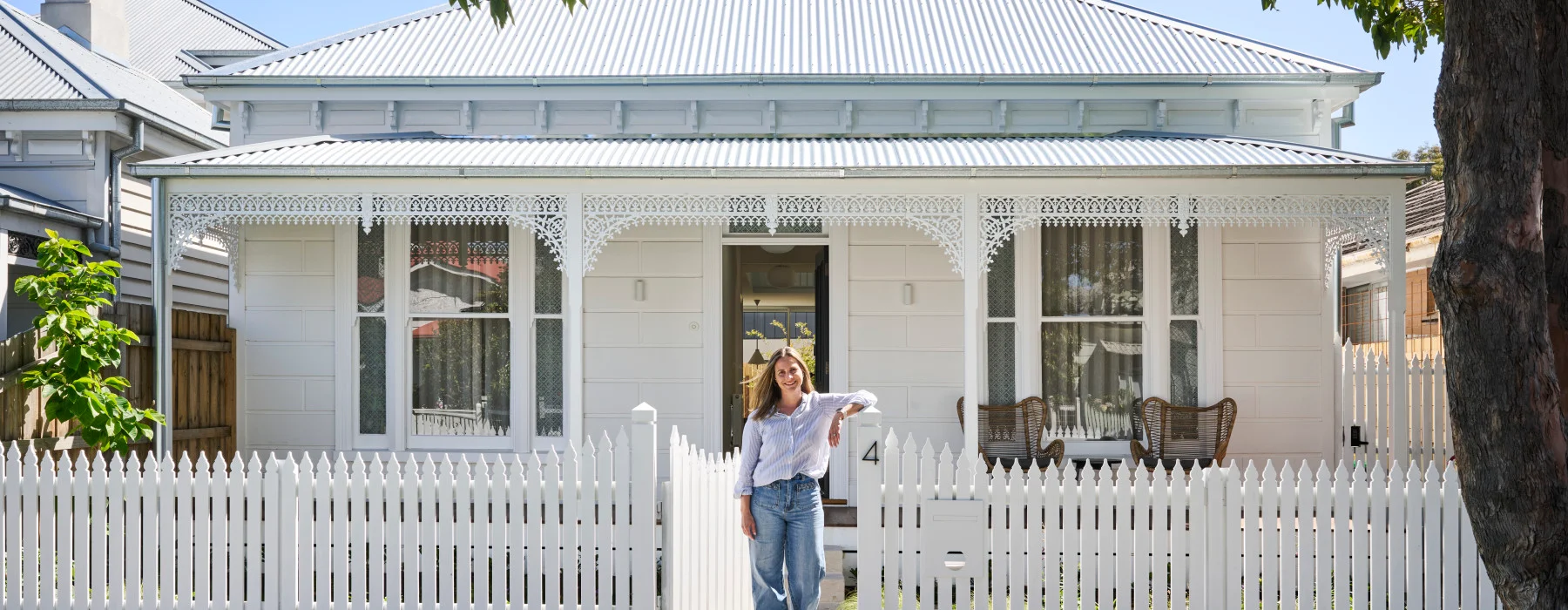
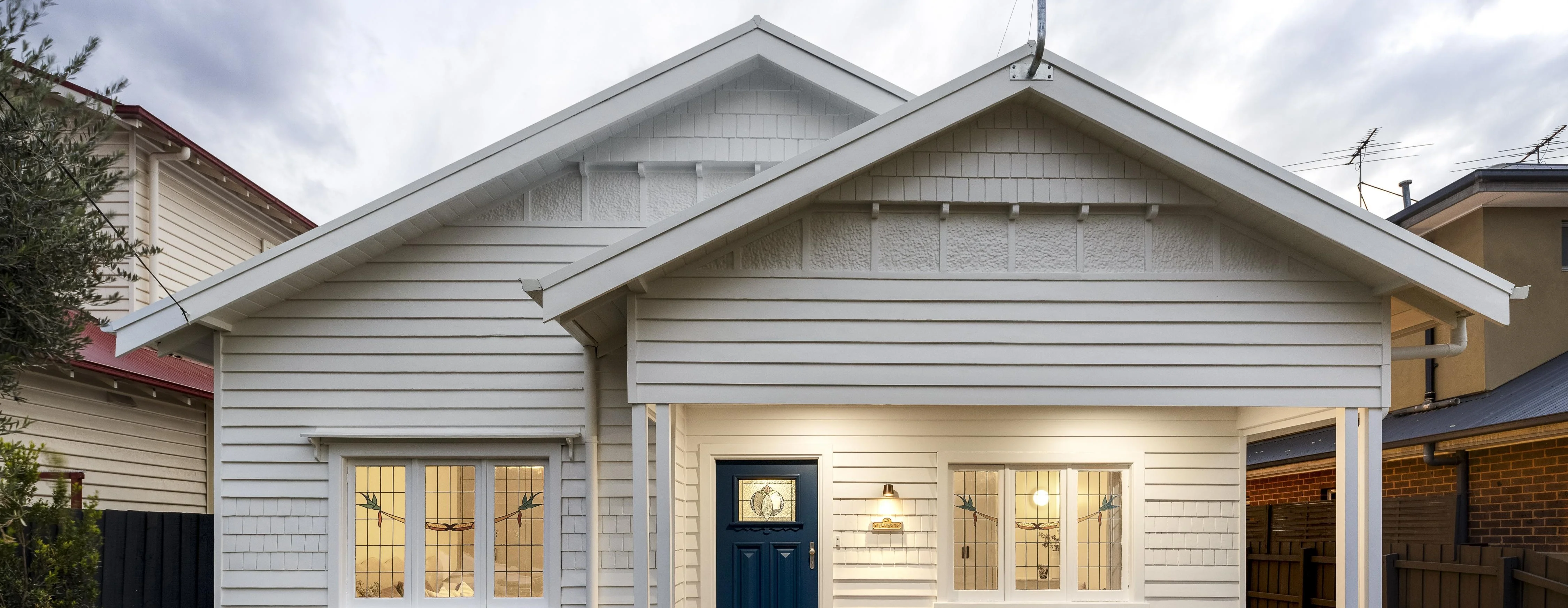
Nestled in the suburban streetscape of Coburg in Victoria, Nest Project had stood proud as a 1920s Californian bungalow for more than 100 years among the many heritage houses of the area. Homeowner, Zerin Sener, saw the potential in the century-old structure, collaborating closely with Mokū Design to transform the bungalow into a modern family home while keeping its heritage charm.
Utilising modern, resilient materials from the Hardie™ Architectural Collection the design team not only completed the home renovation, but added a rear extension to bring this standout Modern Heritage home to life in a way that honoured its history.

With the Melbournian suburb of Coburg well known for its historic charm and heritage architecture dating back to the 1800s, Zerin and the team at Mokū Design felt that it was important to strike a balance between innovation and preservation with the renovation of the Nest Project.
The finished project showcases this delicate equilibrium, with key external features including original leadlight windows, gable detailing and the traditional roofline maintained through the renovation process.
With an original timber weatherboard exterior giving the home a timeless charm that Zerin fell in love with, the design team was eager to maintain the original look of Nest Project with the renovations.
The design team used the 180mm Linea™ Weatherboard to replace the worn, original timber weatherboard, ensuring the renovated home blended seamlessly among the heritage homes of the suburb. Linea™ Weatherboard’s fibre cement construction also provides resistance to rot and damage from moisture and termites, giving the homeowner peace of mind that the bungalow can be enjoyed for many years to come.
“The use of Linea™ Weatherboard was essential for us to keep and restore as much of the home’s original character as possible,” said Zerin Sener. “Hardie™ fibre cement offered the same traditional look and profile as the original timber, but gave us much greater durability.”
WIth resistance to warping, swelling and movement and allowing the panels to maintain a paint finish for longer, Hardie™ fibre cement also provided a strong canvas for Nest Project’s facade renovation to stand out among the streetscape. The deep shadow lines of the Linea™ Weatherboard were complemented with Dulux Casper White Quarter paint which was chosen for the home’s exterior. The front door was finished in Dulux Sir Edmund paint, providing another point of contrast to draw the eye.


While Zerin fell in love with Nest Project’s original California Bungalow structure, she knew she needed to modernise where she could during home renovations to transform the property into the perfect family home.
Looking to increase the footprint of the small original property, the team also used Linea™ Weatherboard to extend the house into the rear of yardage, with the cladding’s sweeping shadow lines allowing the extension to flow seamlessly into the original structure. The new addition allowed for the creation of an expansive living space with soaring ceilings, a major update that felt completely in place thanks to the Linea™ Weatherboard’s integration providing a consistent visual rhythm across the home’s exterior.

The newly-added rear expansion also posed a unique opportunity for an additional modern touch to the renovation with its lofty, 6-metre ceilings. To draw the eye upwards and showcase the increased height, Zerin and Moe used Axon™ Cladding to dress the rear of the house, with the clean vertical lines creating the desired modern edge and providing a strong contrast to the horizontal look of the Linea™ Weatherboard facade.

“We wanted to contrast the traditional detailing of the front weatherboard facade to really capture the essence of a modern heritage aesthetic”, said Moe Kurucu of Mokū Design. “Axon™ Cladding gave us a clean, contemporary finish in the rear that complemented the Linea™ Weatherboard used at the front and gave a sense of cohesiveness to the build.”
Axon™ Cladding was also an extremely practical product that suited this renovation. Available in a range of sizes up to 3600mm in height, the lightweight Hardie™ fibre cement panels were ideal for application in the taller setting, helping to minimise joints and wastage. The shiplap joints also helped to enable faster, more efficient installation by eliminating the need for joint setting. It is also rot resistant, and resistant to damage from moisture and termites - making sure the new rear extension is durable and complements the renovated front facade.
For Zerin and Moe, the renovation of Nest Project was always about paying homage to the century-old design of the original Californian Bungalow. It’s a delicate balance that most home renovation projects have to find as they establish their own architectural voice within an existing design.

Zerin shared that the most important piece of advice is “to be intentional about where you preserve and where you innovate. Respect the history of the home - especially with the facade - but don't be afraid to be bold with the extension and other areas.”
Nest Project perfectly encapsulates this design philosophy, with original details including gable details and leadlight windows complemented by the durable Linea™ Weatherboard and Axon™ Cladding. It’s a build that preserves the heritage DNA while ensuring that it’s not only fit for purpose as a Modern Heritage home, but could outlive even the next generation of owners.
The Modern Heritage design trend allows homeowners to firmly grasp the history of their home they fell in love with, while also putting their own stamp on a dwelling that is best suited to their lifestyle.
The Hardie™ Architectural Collection helps homeowners, designers and builders to balance home renovations and support the preservation and continued use of heritage builds.
Download the Modern Heritage Handbook or the Renovation Guide today and discover how the Hardie™ Architectural Collection can help you create a home that blends eras without compromising on durability.